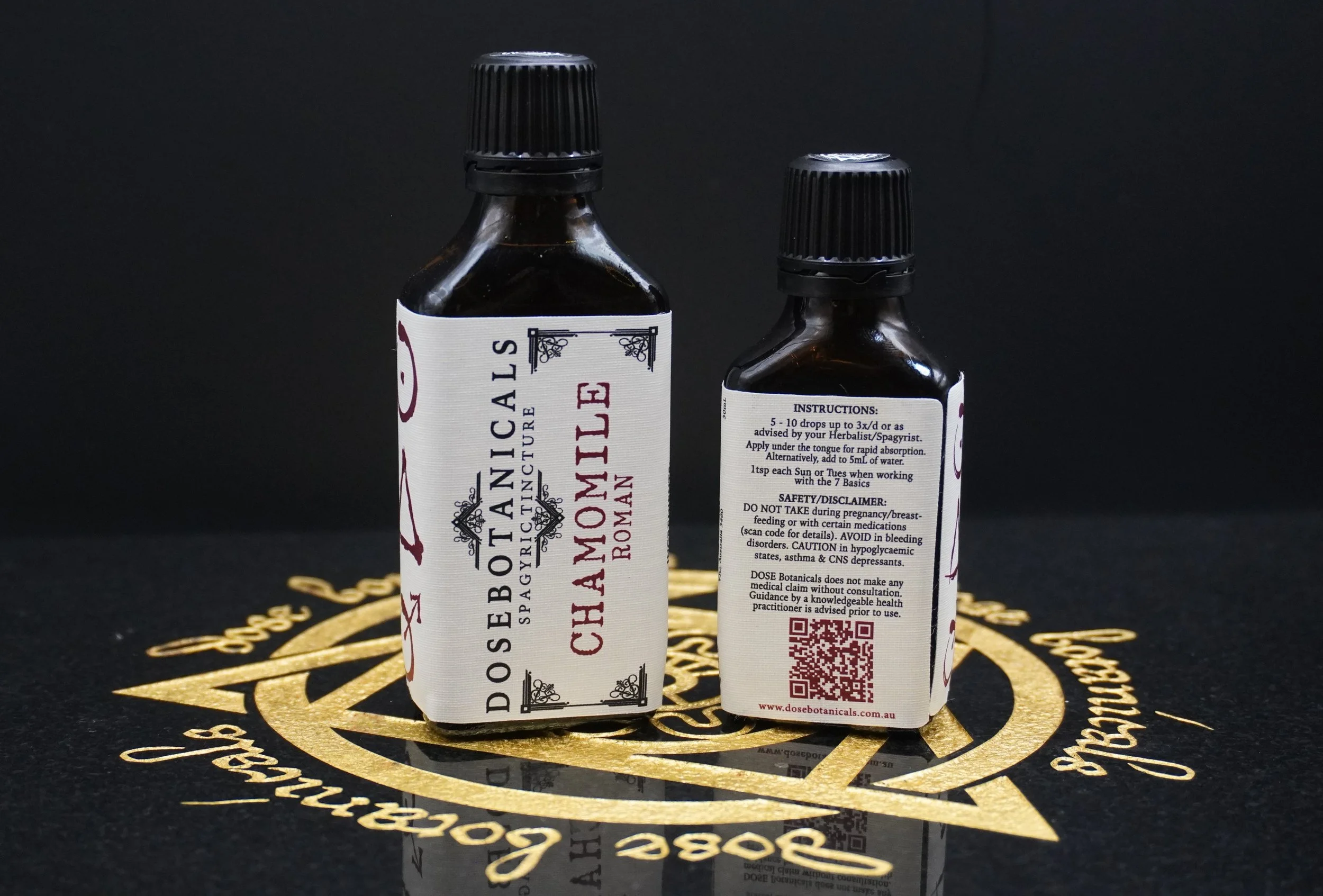
Chamomile (Roman) Spagyric Tincture

from $39.95

All of our herbal extracts use organically grown and/or ethically wildcrafted herbs and certified organic food-grade ethanol diluted to specific potencies in filtered and/or distilled rainwater, unless otherwise specified.

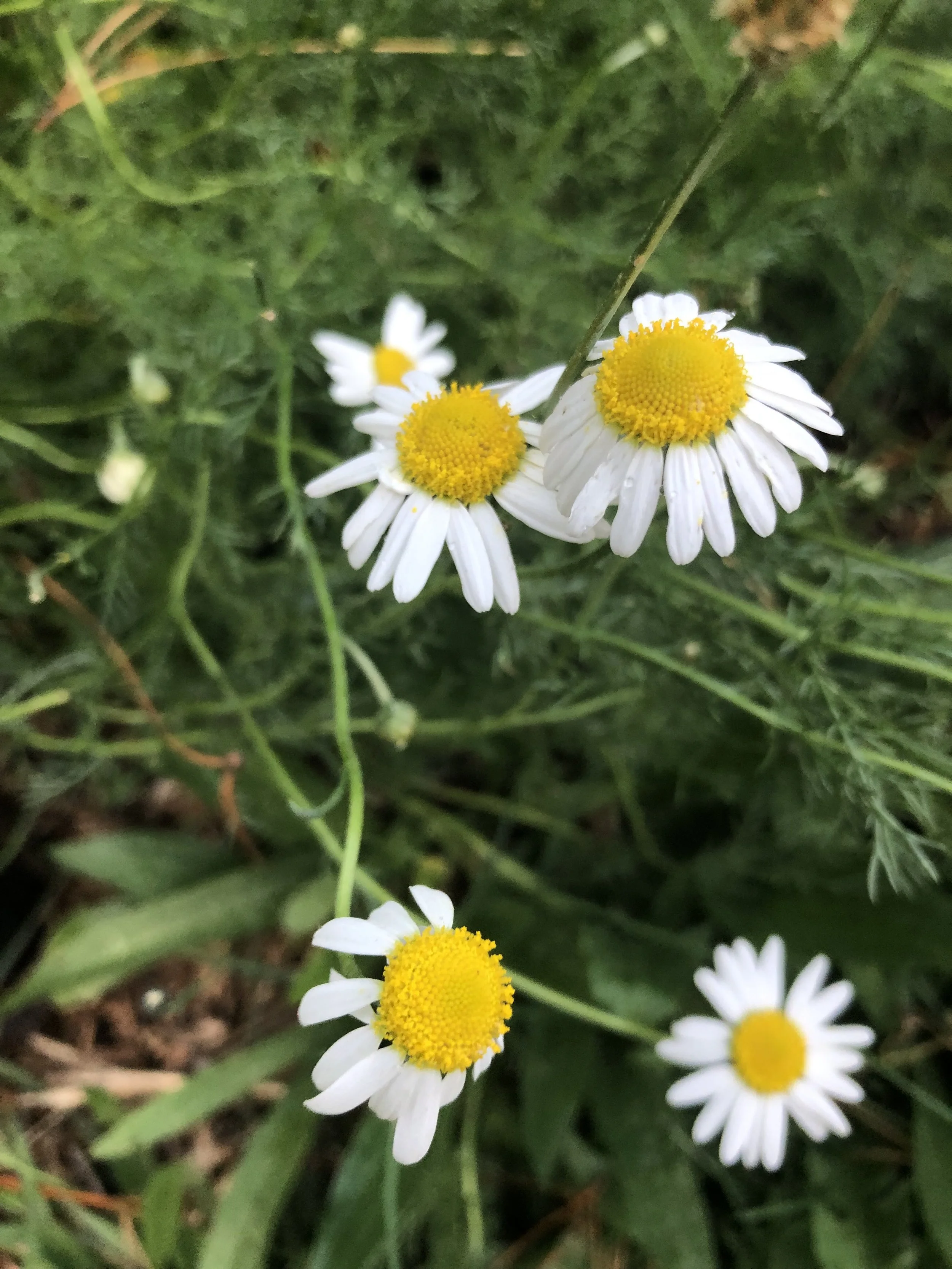
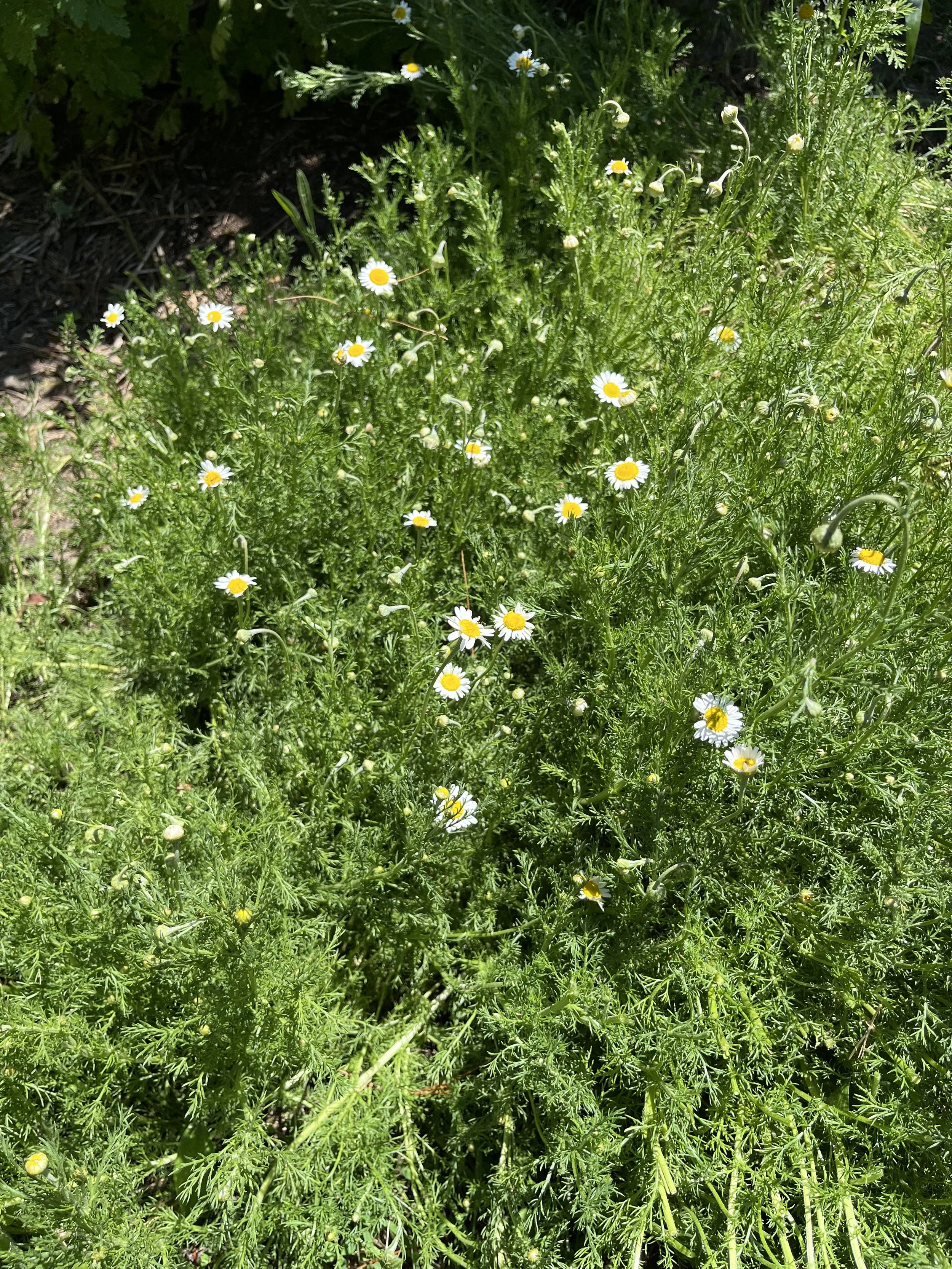
Roman chamomile (Chamaemelum nobile) is a low-growing evergreen perennial member of the daisy (Asteraceae) family, cultivated throughout Europe since antiquity and highly regarded by Western physicians and herbalists for its warming aromatic, bitter, relaxing and drying qualities.

Unlike the more commonly encountered German chamomile (Matricaria recutita), Roman chamomile possesses a distinctive phytochemical profile rich in aromatic esters rather than high concentrations of chamazulene or α-bisabolol. These aromatic esters contribute to the Roman chamomile’s characteristic sweet, apple-like fragrance and are thought to underlie its longstanding reputation as a digestive aromatic, mild bitter, antispasmodic and calming nervine.

Although Roman and German chamomile are often described as interchangeable in traditional and modern herbal texts, they differ considerably in both chemistry and (to some degree) emphasis of use. When historical European herbals refer simply to "Camomile", they are almost always describing Roman chamomile, as German chamomile did not become the predominant cultivated and commercial species until much later. Broadly speaking, Roman chamomile has traditionally been moreso valued for its mildly sedating influence on the nervous system, whereas German chamomile is generally recognised for its higher concentration of chamazulene, α-bisabolol and related terpenoids that contribute to its well-studied inflammatory-modulating action.

As a warming aromatic bitter, Roman chamomile has traditionally been used to restore digestive tone, encourage healthy gastric function, gently disperse stagnant wind and tension, and support the body's natural response to mild discomfort and spasm. For these reasons chamomile provides a broad range of traditional applications.

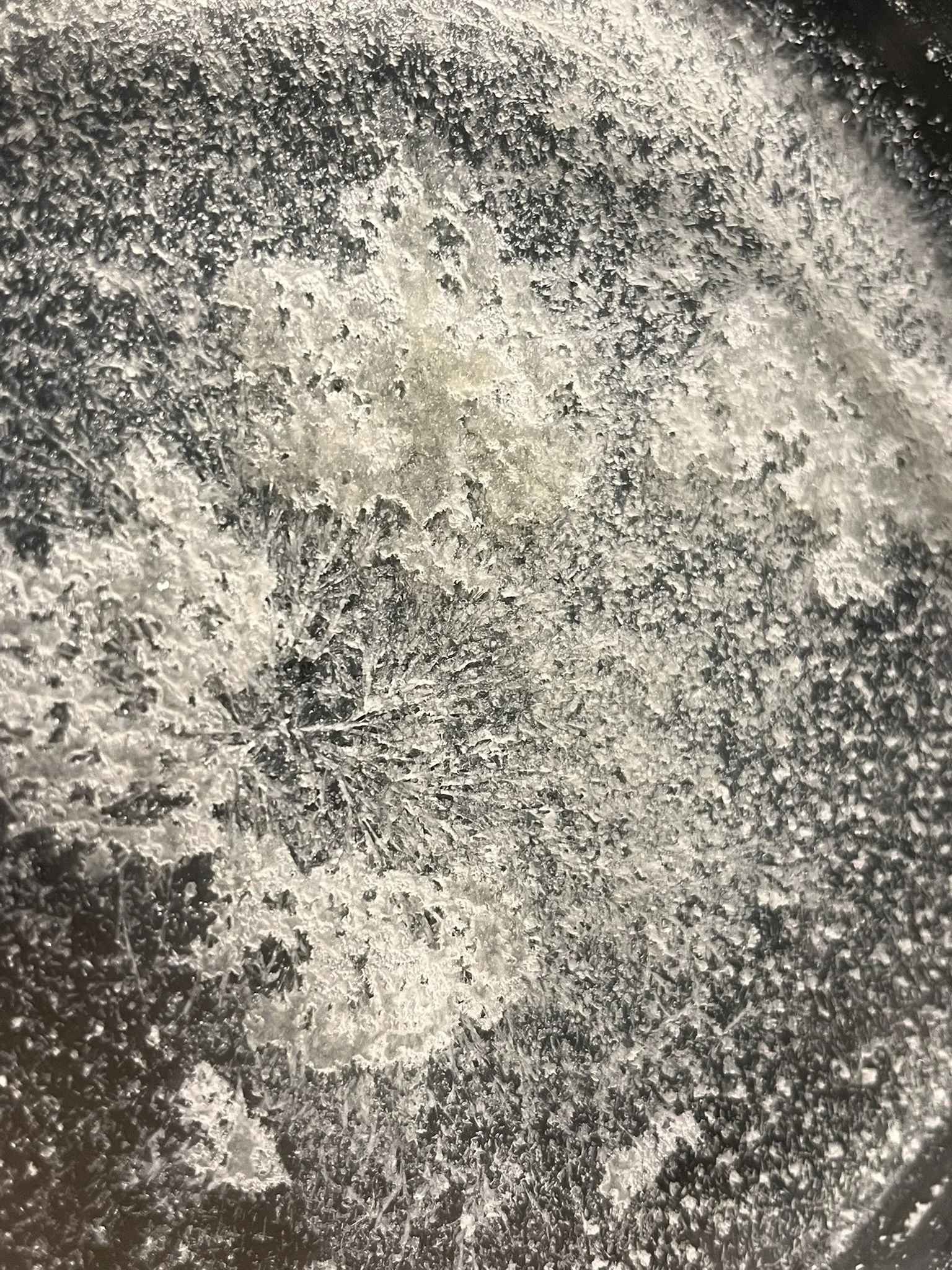
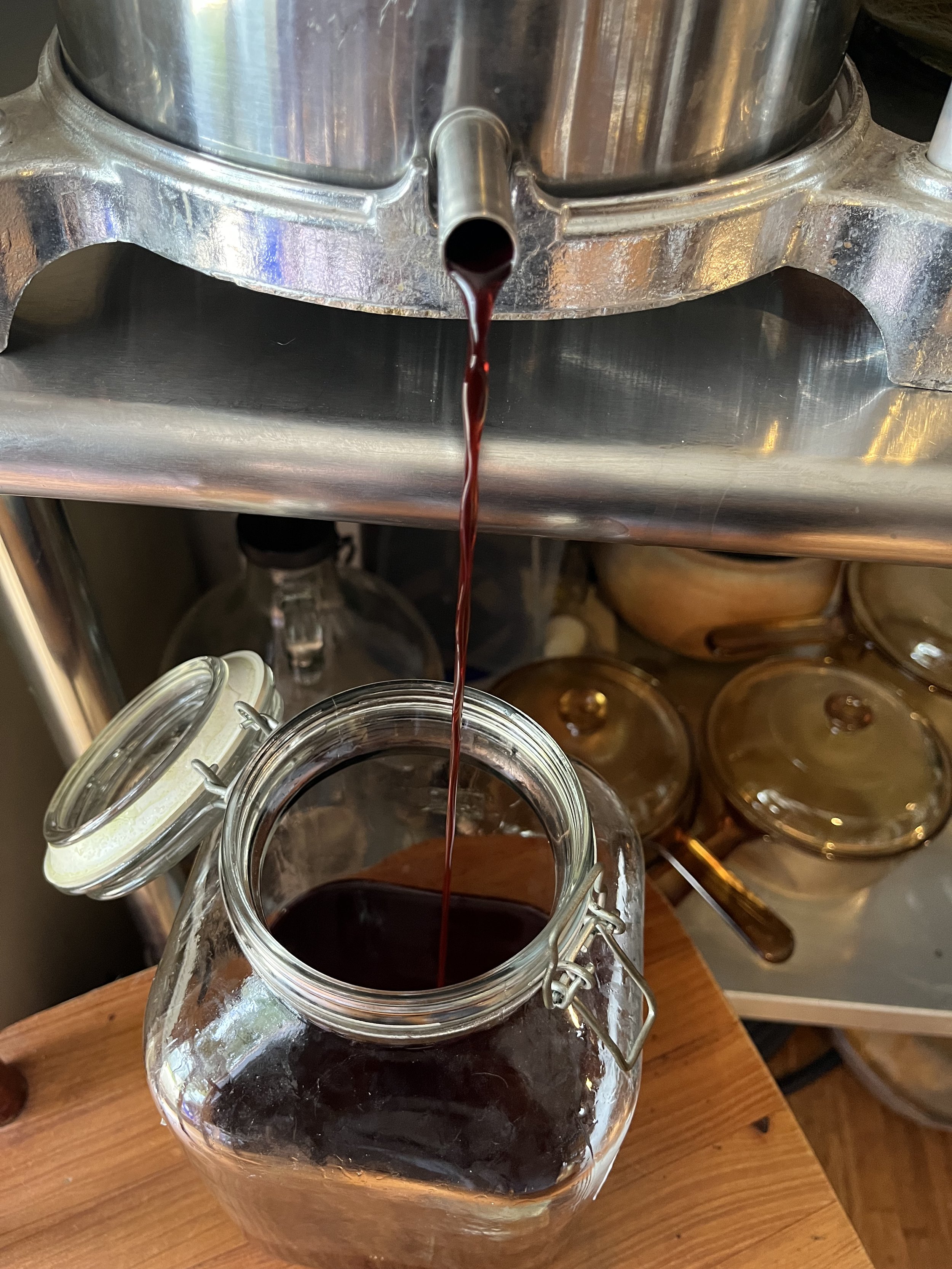
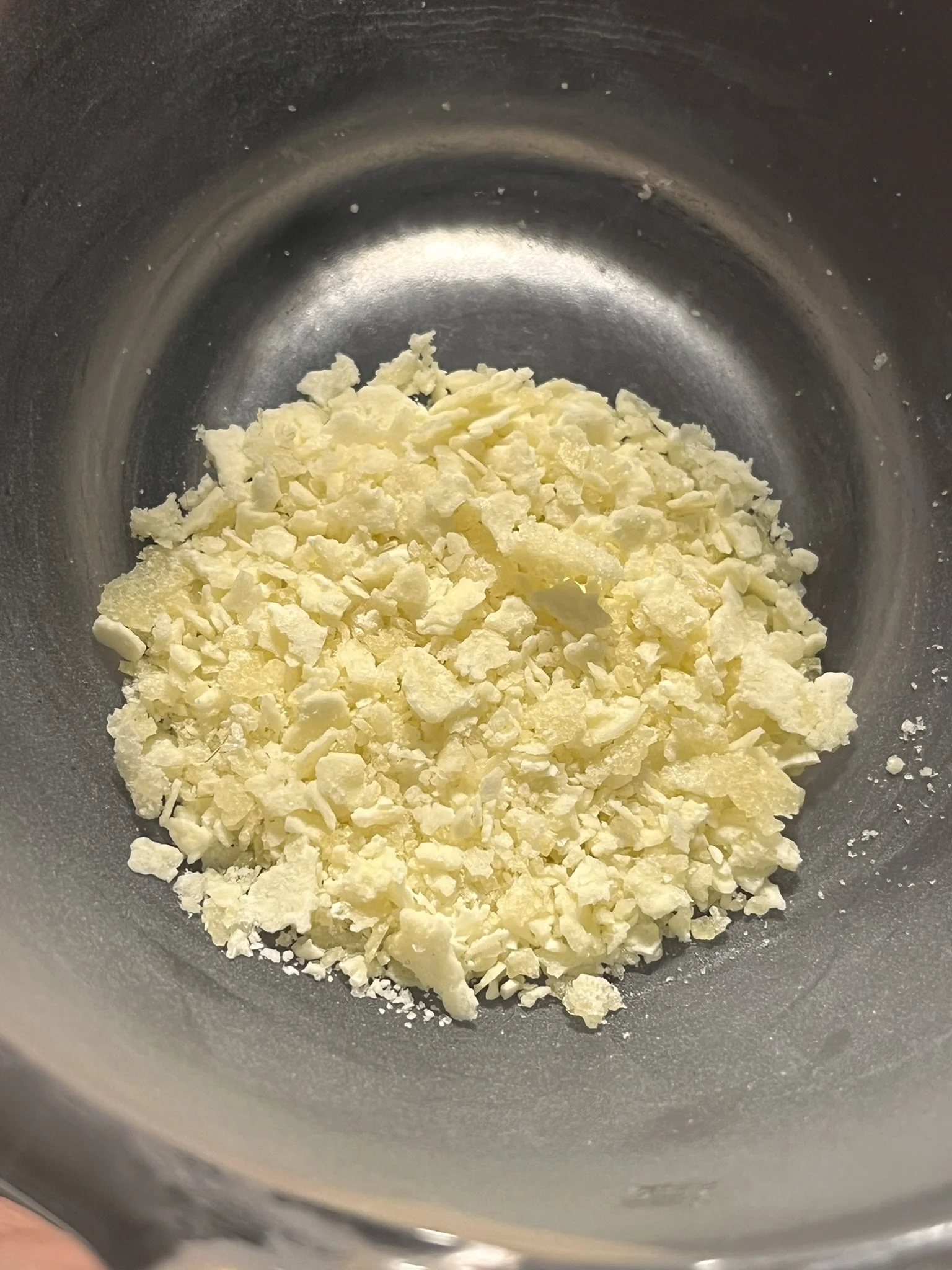
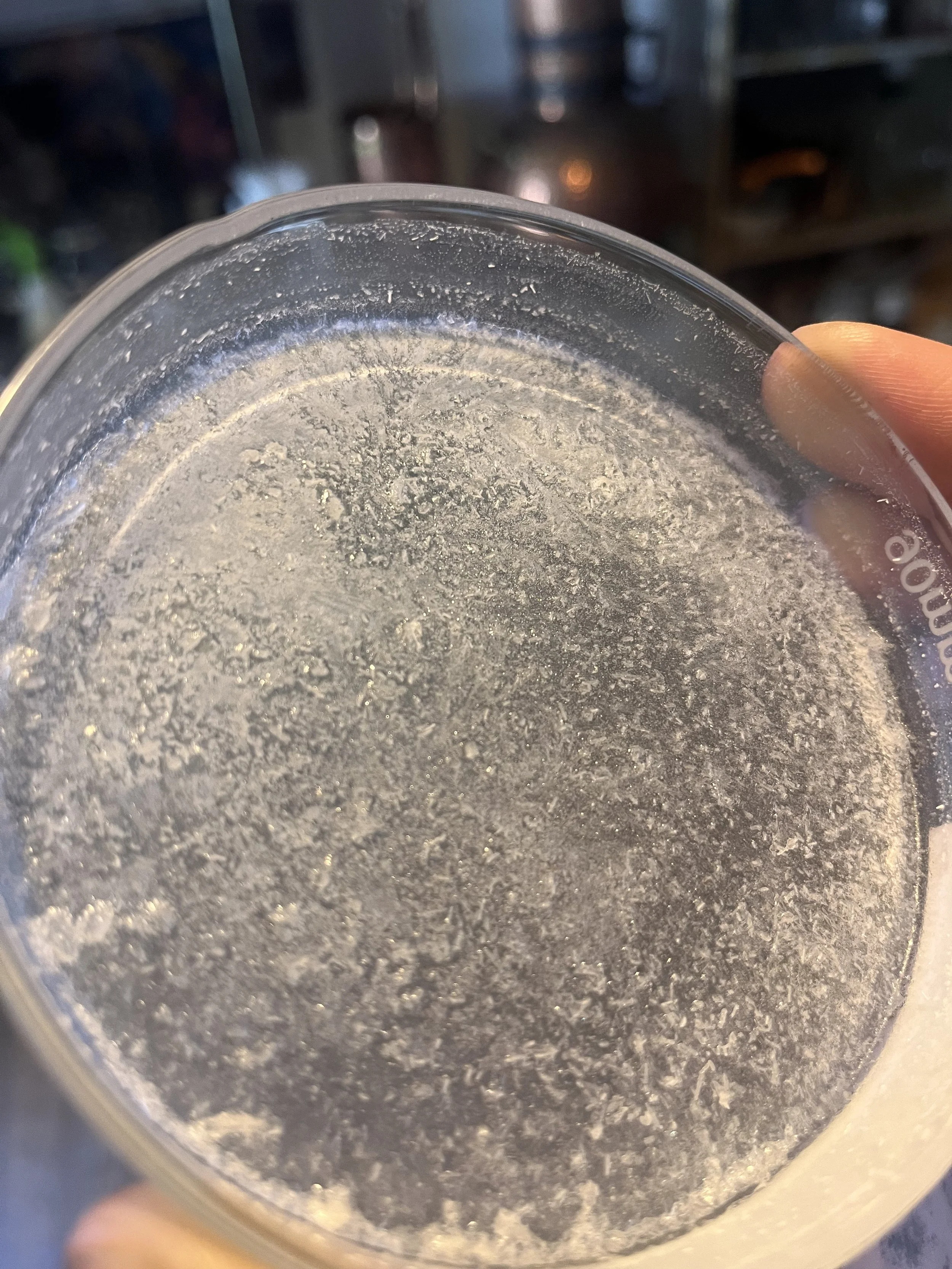
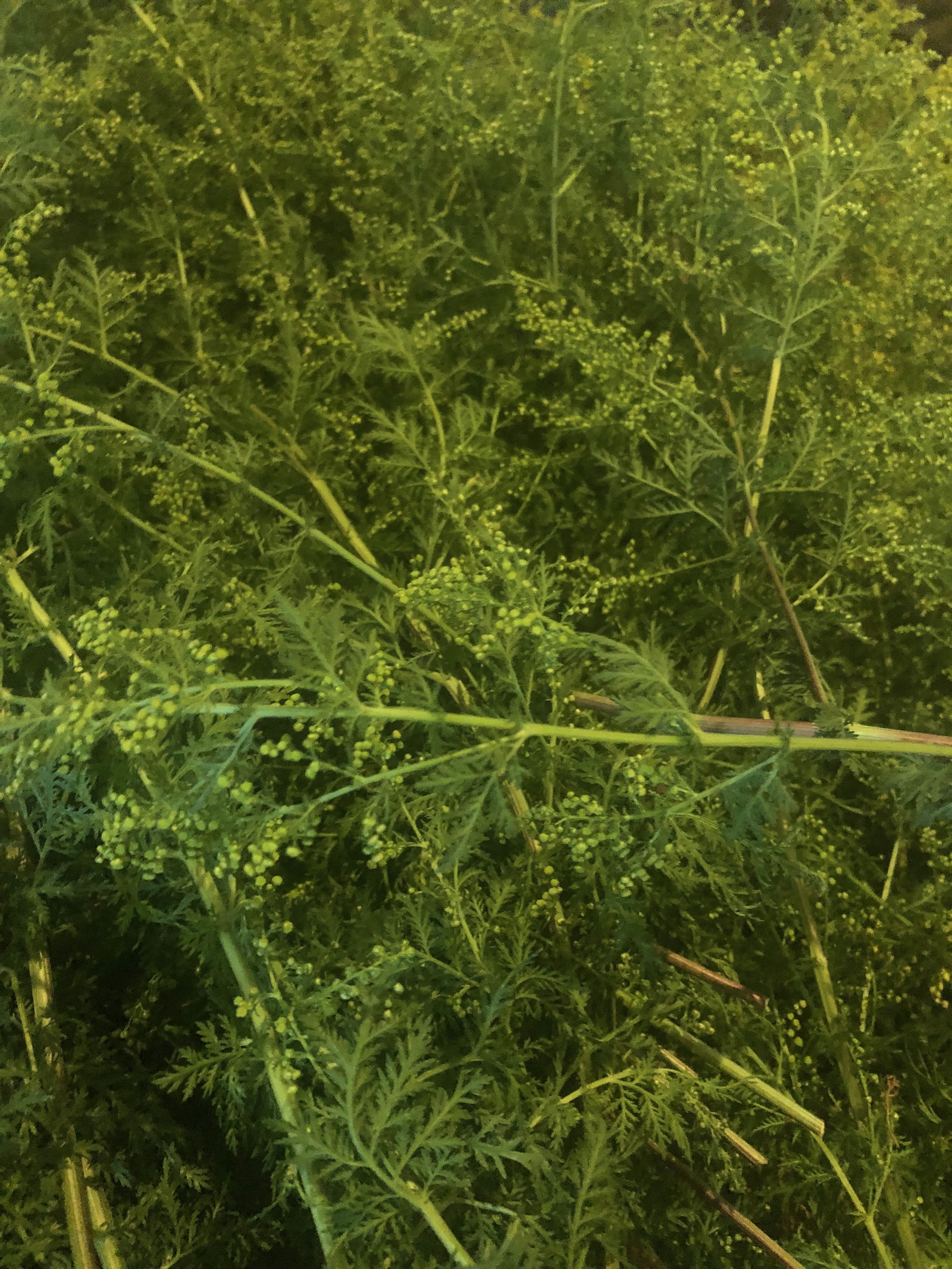
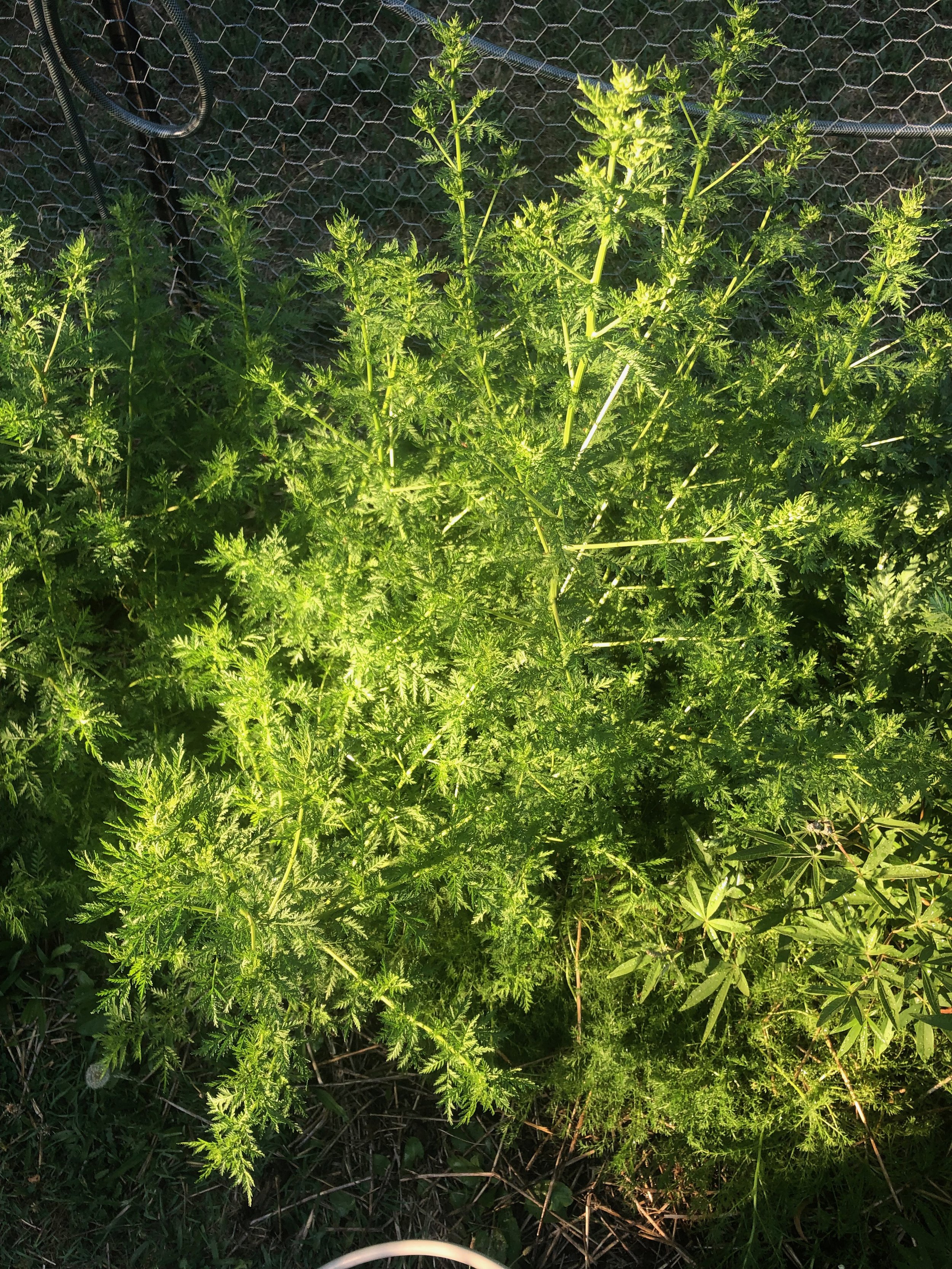
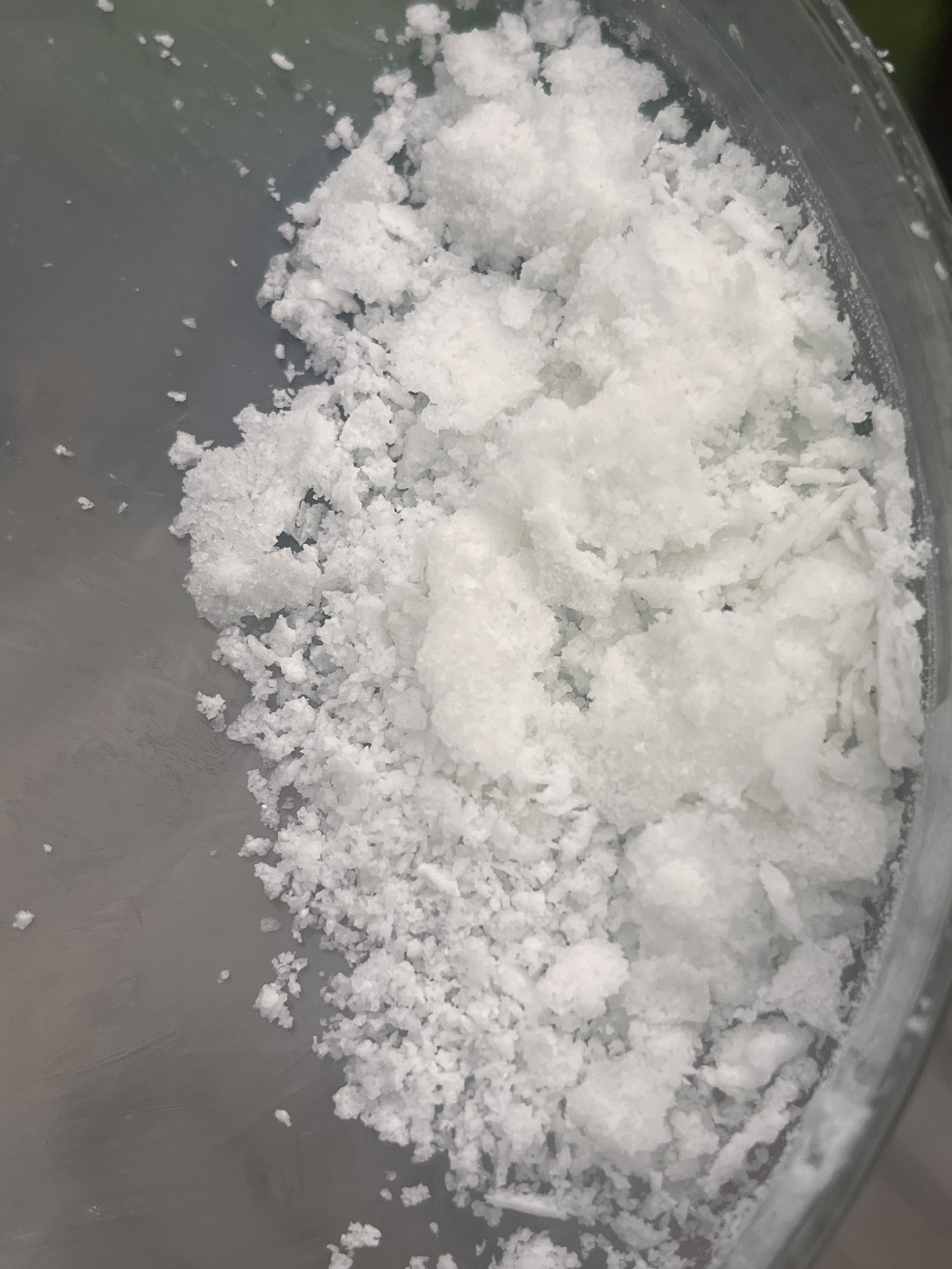
Prepared from fresh flowering aerial parts using the traditional spagyric method, this extract reunites the plant's volatile aromatic principles with its purified mineral salts to produce a balanced whole-plant preparation.

DOSE BOTANICALS DOES NOT MAKE ANY MEDICAL OR THERAPEUTIC CLAIM WITHOUT CONSULTATION. THIS INFORMATION IS FOR EDUCATIONAL PURPOSES ONLY.

Size:

All of our herbal extracts use organically grown and/or ethically wildcrafted herbs and certified organic food-grade ethanol diluted to specific potencies in filtered and/or distilled rainwater, unless otherwise specified.

Roman chamomile (Chamaemelum nobile) is a low-growing evergreen perennial member of the daisy (Asteraceae) family, cultivated throughout Europe since antiquity and highly regarded by Western physicians and herbalists for its warming aromatic, bitter, relaxing and drying qualities.

Unlike the more commonly encountered German chamomile (Matricaria recutita), Roman chamomile possesses a distinctive phytochemical profile rich in aromatic esters rather than high concentrations of chamazulene or α-bisabolol. These aromatic esters contribute to the Roman chamomile’s characteristic sweet, apple-like fragrance and are thought to underlie its longstanding reputation as a digestive aromatic, mild bitter, antispasmodic and calming nervine.

Although Roman and German chamomile are often described as interchangeable in traditional and modern herbal texts, they differ considerably in both chemistry and (to some degree) emphasis of use. When historical European herbals refer simply to "Camomile", they are almost always describing Roman chamomile, as German chamomile did not become the predominant cultivated and commercial species until much later. Broadly speaking, Roman chamomile has traditionally been moreso valued for its mildly sedating influence on the nervous system, whereas German chamomile is generally recognised for its higher concentration of chamazulene, α-bisabolol and related terpenoids that contribute to its well-studied inflammatory-modulating action.

As a warming aromatic bitter, Roman chamomile has traditionally been used to restore digestive tone, encourage healthy gastric function, gently disperse stagnant wind and tension, and support the body's natural response to mild discomfort and spasm. For these reasons chamomile provides a broad range of traditional applications.

Prepared from fresh flowering aerial parts using the traditional spagyric method, this extract reunites the plant's volatile aromatic principles with its purified mineral salts to produce a balanced whole-plant preparation.

DOSE BOTANICALS DOES NOT MAKE ANY MEDICAL OR THERAPEUTIC CLAIM WITHOUT CONSULTATION. THIS INFORMATION IS FOR EDUCATIONAL PURPOSES ONLY.

ADDITIONAL INFORMATION

Temperament: warm & dry (1st - 2nd degree)

Taste: bitter, aromatic, apple-like

Organ & System affinity: stomach, liver, gallbladder, skin, lungs & uterus; digestive, nervous, musculoskeletal, integumentary & genito-urinary systems

Broad Actions: relaxing, dispersing, cleansing, gently restorative

Herbal actions: digestive aromatic, mild bitter tonic, antispasmodic, stimulating nervine, mild sedative, uterine stimulant, vasodilator, hypoglycaemic, diaphoretic, mild analgesic [Herbal Action Glossary]

Tissue states: cold-damp stagnation

Humors (antipathy): Phlegmatic/Melancholic

Planetary ruler/s: Sun & Mars

Elemental trait/s: Fire


Recommended dose: 5 – 10 drops up to 3x/d or as advised by your Herbalist/Spagyrist. Apply under tongue for rapid absorption. Alternatively, add to 5mL of water. Shake well before use.

1tsp each Sun or Tues when working with the 7 Basics

Ingredients: Fresh Roman chamomile (Chamaemelum nobile), undenatured organic ethanol 75% (ACO), crystalline mineral salts of Roman chamomile, distilled rainwater

Safety/Disclaimer:

DO NOT take during pregnancy or breast-feeding.

AVOID in bleeding disorders. Discontinue before elective surgery as a precaution.

CAUTION in hypoglycaemic states, asthma and with anticoagulant or sedative medications.

Individuals with allergies to plants in the Daisy (Asteraceae) family should use with caution. Discontinue use if rash, itching, oral irritation or wheezing occurs. Severe allergic reactions are extremely rare but require immediate medical attention.

DOSE Botanicals does not make any therapeutic claim without consultation. Any information provided above is for educational purposes only. Guidance by a knowledgeable health practitioner is advised prior to use.

Keep out of reach of children.

Store below 30°C