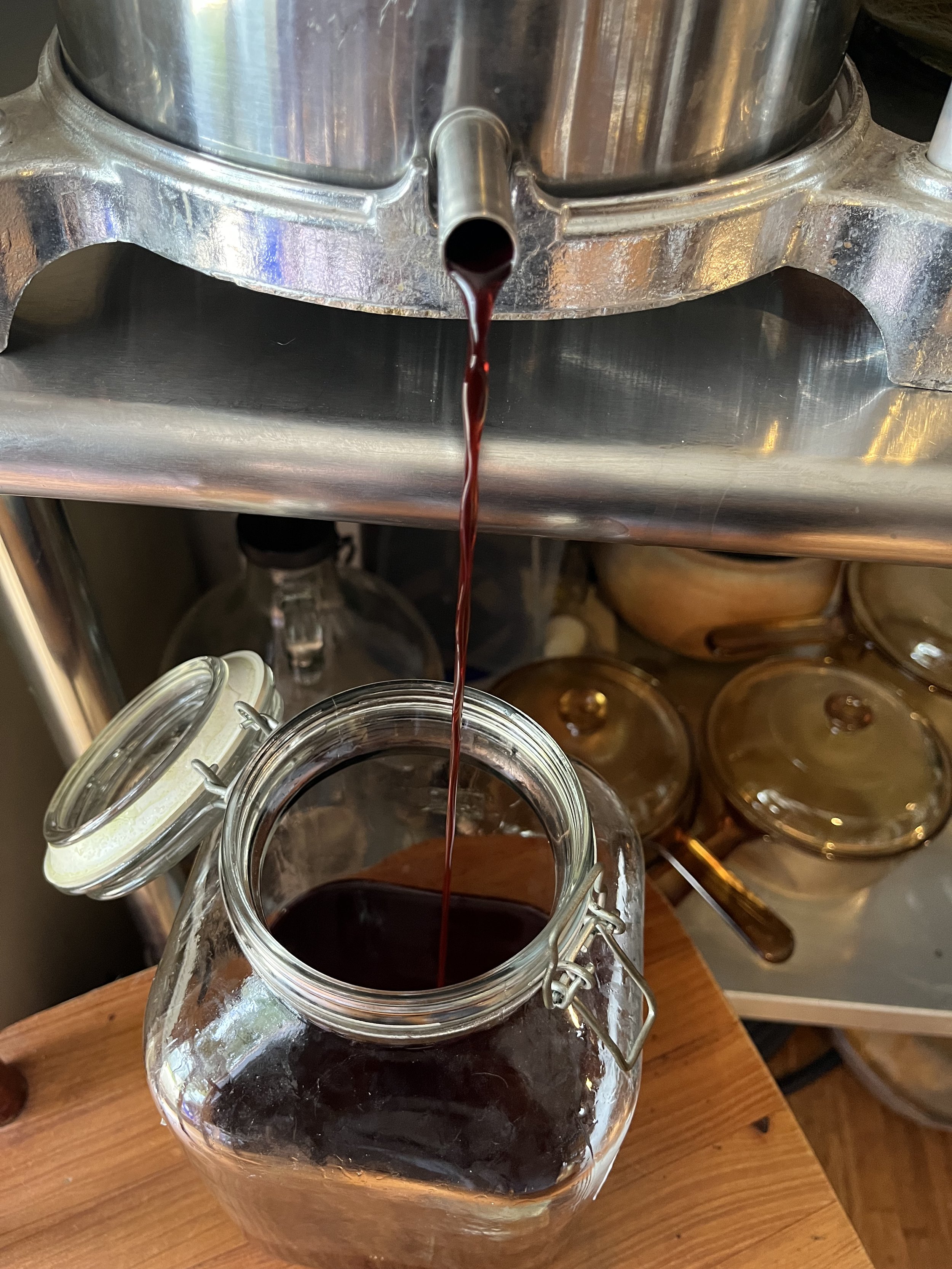
All of our herbal extracts use organically grown and/or ethically wildcrafted herbs and certified organic food-grade ethanol diluted to specific potencies in filtered and/or distilled rainwater, unless otherwise specified.
Rosemary (Salvia rosmarinus) is an aromatic evergreen shrub of the mint (Lamiaceae) family, native to the Mediterranean and deeply ingrained in the medicinal, culinary and ceremonial traditions of southern Europe. The resinous, penetrating fragrance of rosemary reflects a rich concentration of volatile constituents, and is characteristic of the European physicians’ medicine cabinet, apothecaries and monastic gardens for complaints associated with poor circulation, digestive weakness, fatigue and diminished mental clarity.
The main volatile constituents including 1,8-cineole, α-pinene, camphor and borneol, alongside rosmarinic acid, carnosic acid, carnosol and numerous flavonoids and diterpenes, combine aromatic stimulation with significant antioxidant activity. Rosemary’s influence upon circulation and the nervous system is particularly characteristic: traditionally, rosemary was given where weakness, cold extremities, dizziness, mental fatigue, poor memory or low spirits accompanied a generally depleted or sluggish state. Modern research has likewise investigated rosemary and its constituents in relation to cognitive function, cerebral circulation, oxidative stress and neuroprotective activity.
Traditionally regarded as warm and markedly dry, rosemary is particularly suited to patterns characterised by cold, dampness and stagnation. The pungent aromatic qualities stimulate circulation and encourage warmth towards the periphery, while an affinity for the lungs assists the movement of retained mucus and diaphoresis supports the body's response during the early stages of cold-weather respiratory illness (a tea of the fresh or dried leaves are particularly effective here). This warming and dispersing character also accounts for the traditional application of rosemary to stiff, aching muscles and joints where coldness and poor circulation predominate.
Within the digestive system, rosemary acts as an aromatic bitter, encouraging digestive activity while supporting efficient hepatic and biliary function. The choleretic and cholagogue actions promote the production and movement of bile, complementing traditional use for sluggish digestion, abdominal discomfort and digestive states associated with coldness and stagnation. Rosemary also has a particular affinity for the reproductive system and was historically included among herbs used to encourage delayed or suppressed menstruation.
Perhaps most characteristic, however, is rosemary’s relationship with the brain, nerves and circulation. Rather than acting as a relaxing nervine, rosemary acts as a stimulating restorative, traditionally selected where nervous exhaustion presents with mental dullness, poor concentration, forgetfulness or fatigue. This combination of cerebral stimulation, circulatory movement and constitutional warmth gives rosemary a distinctive place among restorative herbs for periods of physical or mental overwork.
DOSE BOTANICALS DOES NOT MAKE ANY MEDICAL OR THERAPEUTIC CLAIM WITHOUT CONSULTATION. THIS INFORMATION IS FOR EDUCATIONAL PURPOSES ONLY.
All of our herbal extracts use organically grown and/or ethically wildcrafted herbs and certified organic food-grade ethanol diluted to specific potencies in filtered and/or distilled rainwater, unless otherwise specified.
Rosemary (Salvia rosmarinus) is an aromatic evergreen shrub of the mint (Lamiaceae) family, native to the Mediterranean and deeply ingrained in the medicinal, culinary and ceremonial traditions of southern Europe. The resinous, penetrating fragrance of rosemary reflects a rich concentration of volatile constituents, and is characteristic of the European physicians’ medicine cabinet, apothecaries and monastic gardens for complaints associated with poor circulation, digestive weakness, fatigue and diminished mental clarity.
The main volatile constituents including 1,8-cineole, α-pinene, camphor and borneol, alongside rosmarinic acid, carnosic acid, carnosol and numerous flavonoids and diterpenes, combine aromatic stimulation with significant antioxidant activity. Rosemary’s influence upon circulation and the nervous system is particularly characteristic: traditionally, rosemary was given where weakness, cold extremities, dizziness, mental fatigue, poor memory or low spirits accompanied a generally depleted or sluggish state. Modern research has likewise investigated rosemary and its constituents in relation to cognitive function, cerebral circulation, oxidative stress and neuroprotective activity.
Traditionally regarded as warm and markedly dry, rosemary is particularly suited to patterns characterised by cold, dampness and stagnation. The pungent aromatic qualities stimulate circulation and encourage warmth towards the periphery, while an affinity for the lungs assists the movement of retained mucus and diaphoresis supports the body's response during the early stages of cold-weather respiratory illness (a tea of the fresh or dried leaves are particularly effective here). This warming and dispersing character also accounts for the traditional application of rosemary to stiff, aching muscles and joints where coldness and poor circulation predominate.
Within the digestive system, rosemary acts as an aromatic bitter, encouraging digestive activity while supporting efficient hepatic and biliary function. The choleretic and cholagogue actions promote the production and movement of bile, complementing traditional use for sluggish digestion, abdominal discomfort and digestive states associated with coldness and stagnation. Rosemary also has a particular affinity for the reproductive system and was historically included among herbs used to encourage delayed or suppressed menstruation.
Perhaps most characteristic, however, is rosemary’s relationship with the brain, nerves and circulation. Rather than acting as a relaxing nervine, rosemary acts as a stimulating restorative, traditionally selected where nervous exhaustion presents with mental dullness, poor concentration, forgetfulness or fatigue. This combination of cerebral stimulation, circulatory movement and constitutional warmth gives rosemary a distinctive place among restorative herbs for periods of physical or mental overwork.
DOSE BOTANICALS DOES NOT MAKE ANY MEDICAL OR THERAPEUTIC CLAIM WITHOUT CONSULTATION. THIS INFORMATION IS FOR EDUCATIONAL PURPOSES ONLY.
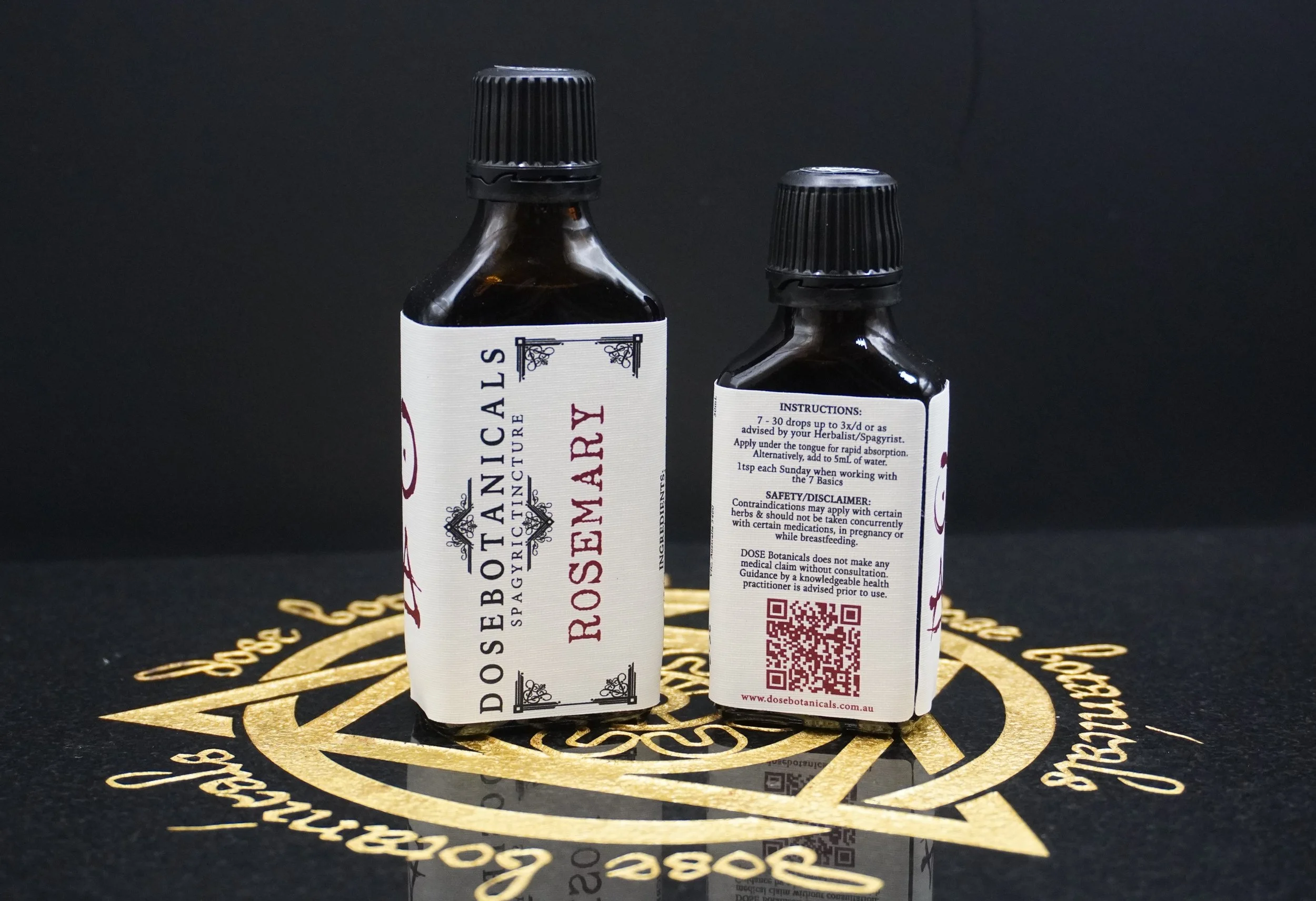 Image 1 of 3
 Image 2 of 3
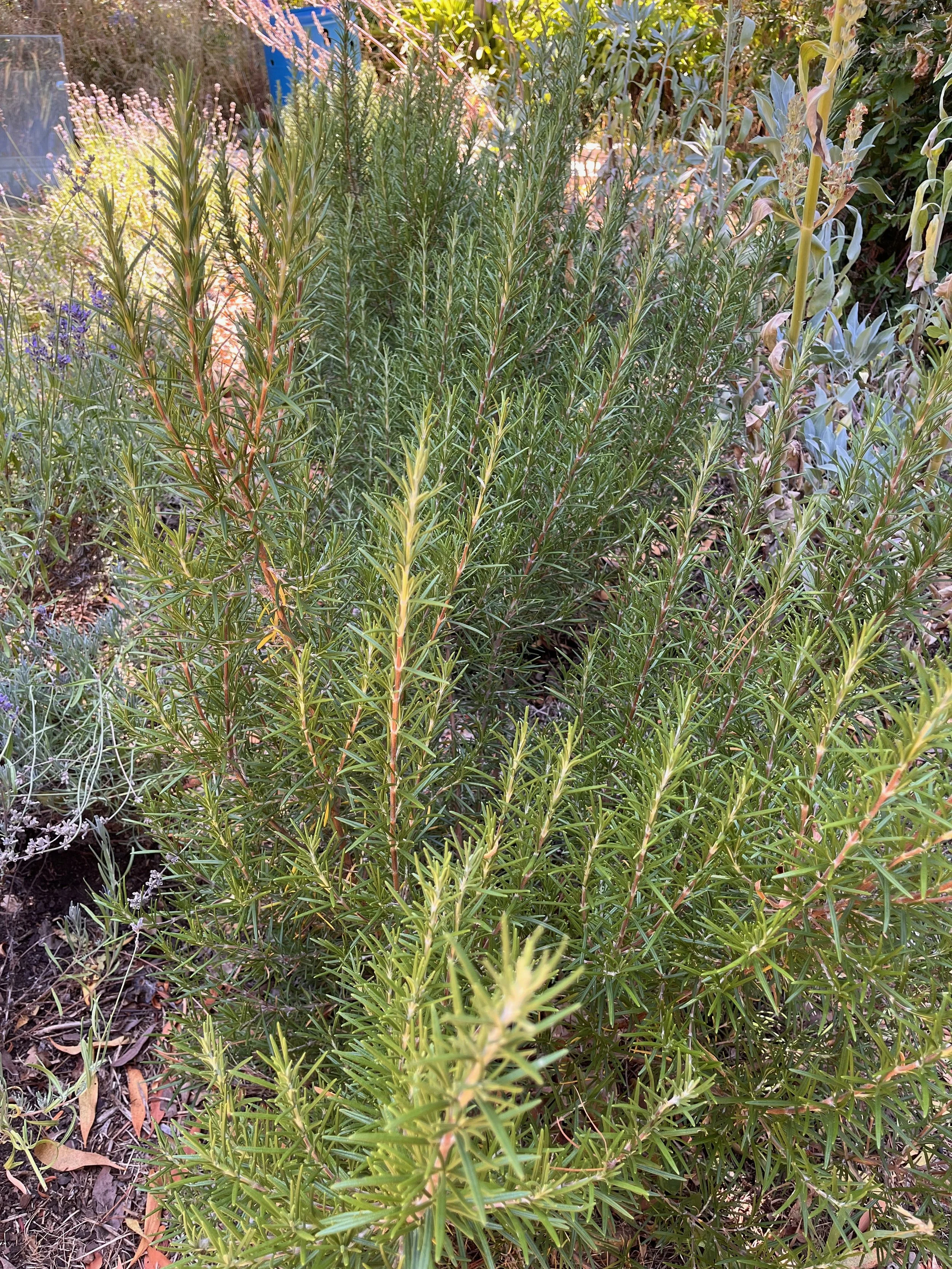 Image 3 of 3