PROFESSIONAL EDUCATOR PORTFOLIO | ECP404Cultivating knowledge
An emerging professional identity in education, herbal medicine, ethnobotanical history, and experiential learning.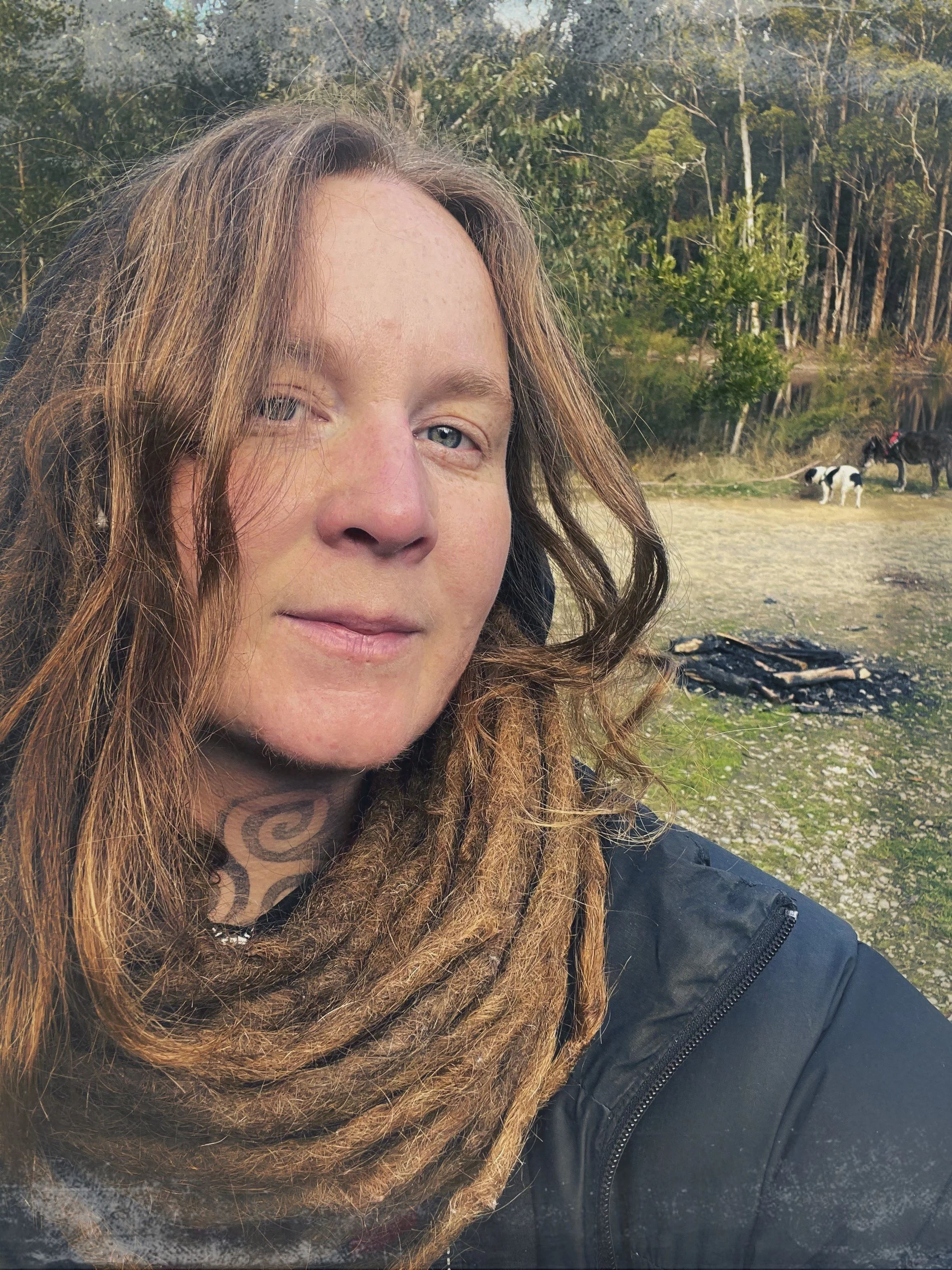
Jaynaya D’Esterre Atkins: a registered medical Western herbalist, researcher, botanical educator and founder of DOSE Botanicals (EST. 2016)
Professional Qualifications & Training: Bachelor of Health Science (Western Herbal Medicine) | Cert IV Alcohol & Other Drugs | First Aid Level 2 + CPR | Working with Children check | Australian Bush Flower Essences Level I & II | Permaculture Design & Teacher Training | Cert IV Small Business | Annual Continued Professional Education
Current Academic Development: Graduate Certificate in Ancient History (Macquarie University) & Graduate Certificate of Higher Education (Torrens University)
My emerging professional identity is situated at the intersection of health science, Western herbal medicine, historical research and ecological practice. My experience across community education, specialist teaching, practical workshops and independent research has shaped an interdisciplinary approach that connects theoretical knowledge with experiential learning and critical inquiry.
As an educator, I aim to create inclusive and intellectually rigorous learning environments that recognise learners' existing knowledge, diverse experiences and individual capabilities. My developing practice is informed by reflective teaching, learner-centred approaches and a commitment to distinguishing historical knowledge, traditional practice and contemporary scientific evidence.
I understand professional identity as an evolving process, mostly shaped through teaching experience, continuing education, collegial engagement and critical reflection on the effectiveness of my educational approaches.
Teaching Philosophy & Pedagogical approaches
-
Western herbal medicine, scientific literacy, ethical practice, harm reduction and trauma-informed education.
-
Practical herbal medicine, botanical cultivation, laboratory processes, observation and direct engagement with materials.
-
Integrating ethnobotany, medical history, philosophy and cultural context into contemporary educational practice.
-
Designing learning outcomes, teaching activities and opportunities for assessment or feedback that support clearly defined educational objectives (Saleem et al., 2021).
-
Connecting theoretical knowledge with practical demonstrations, direct observation, material engagement and reflective application within authentic learning environments (Kolb, 1984).
-
Recognising diverse learner needs and experiences through accessible educational design, respectful communication, appropriate professional boundaries and opportunities for learner choice and participation.
-
Recognising adult learners' existing knowledge and independence while providing structured guidance, progressive complexity and opportunities for self-directed learning (Knowles et al., 2005).
-
Evaluating instructional decisions, learner feedback and professional experiences to identify assumptions, refine teaching methods and inform ongoing professional growth.
-
![]()
Online classes
-
![]()
In-Person Classes
-
![]()
Public Speaking Engagements
-
![]()
Event Workshops
-
![]()
Guest Lecturing

Online teaching & Course Design
Teaching Experience & Evidence
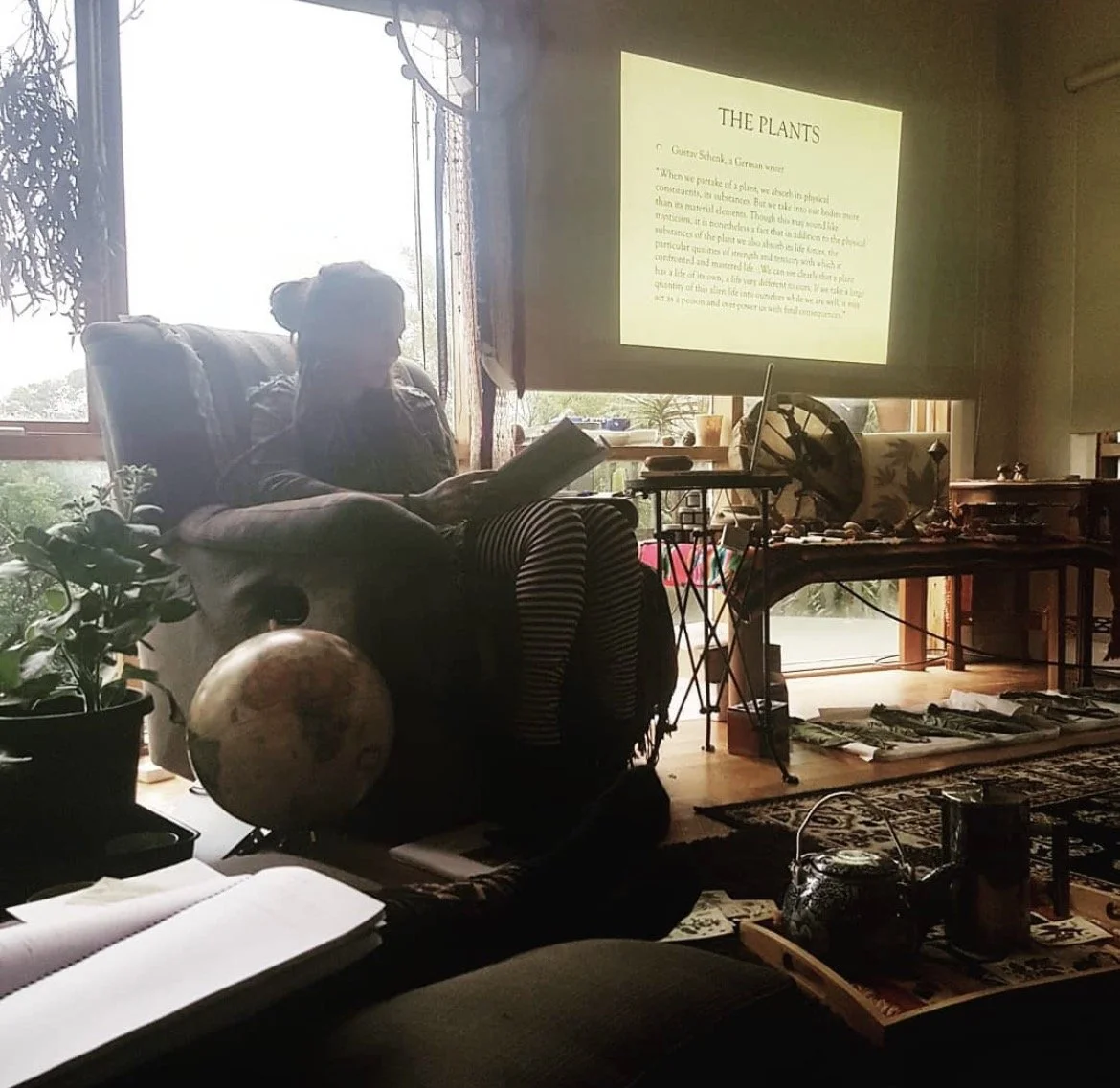
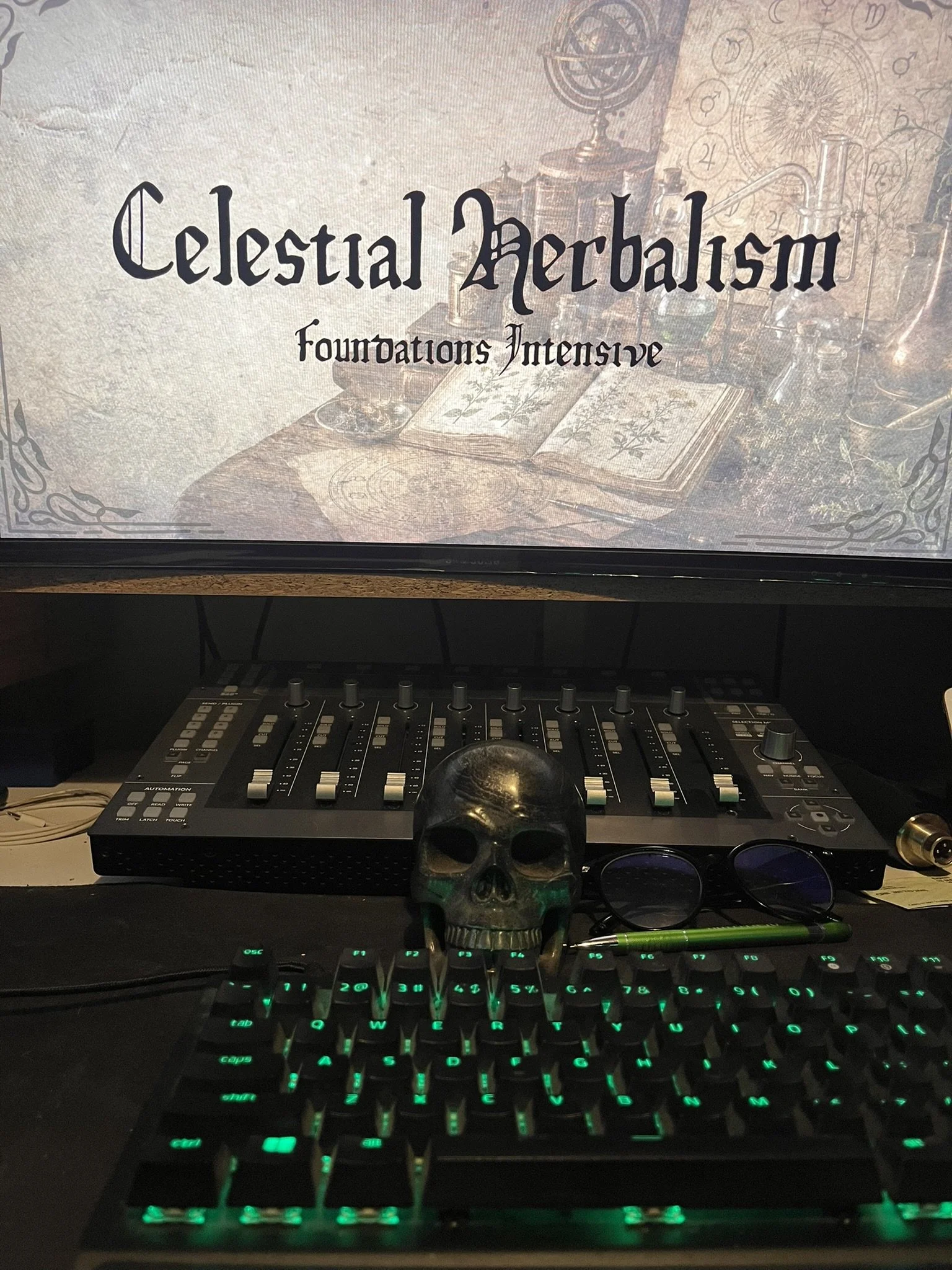
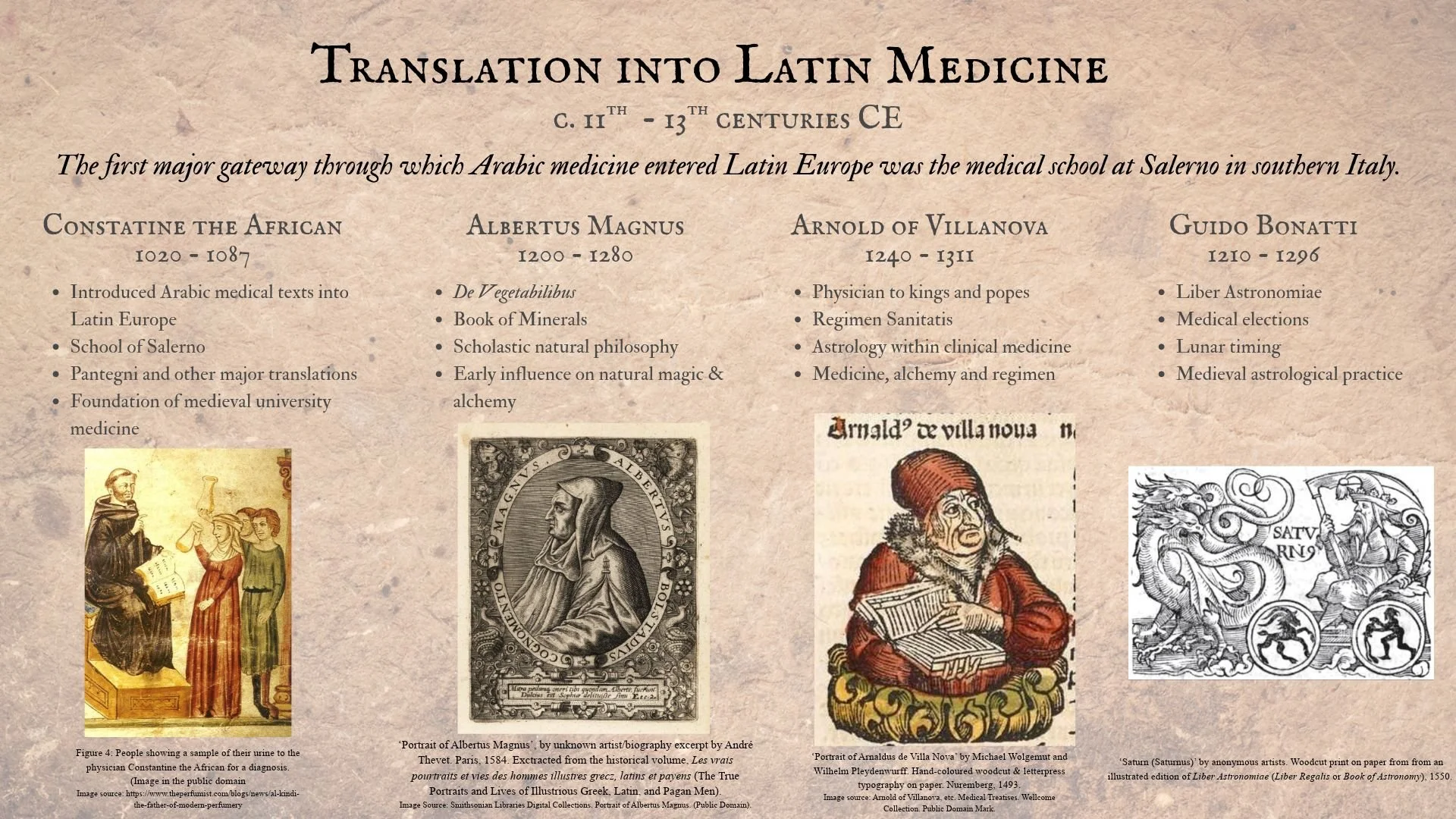
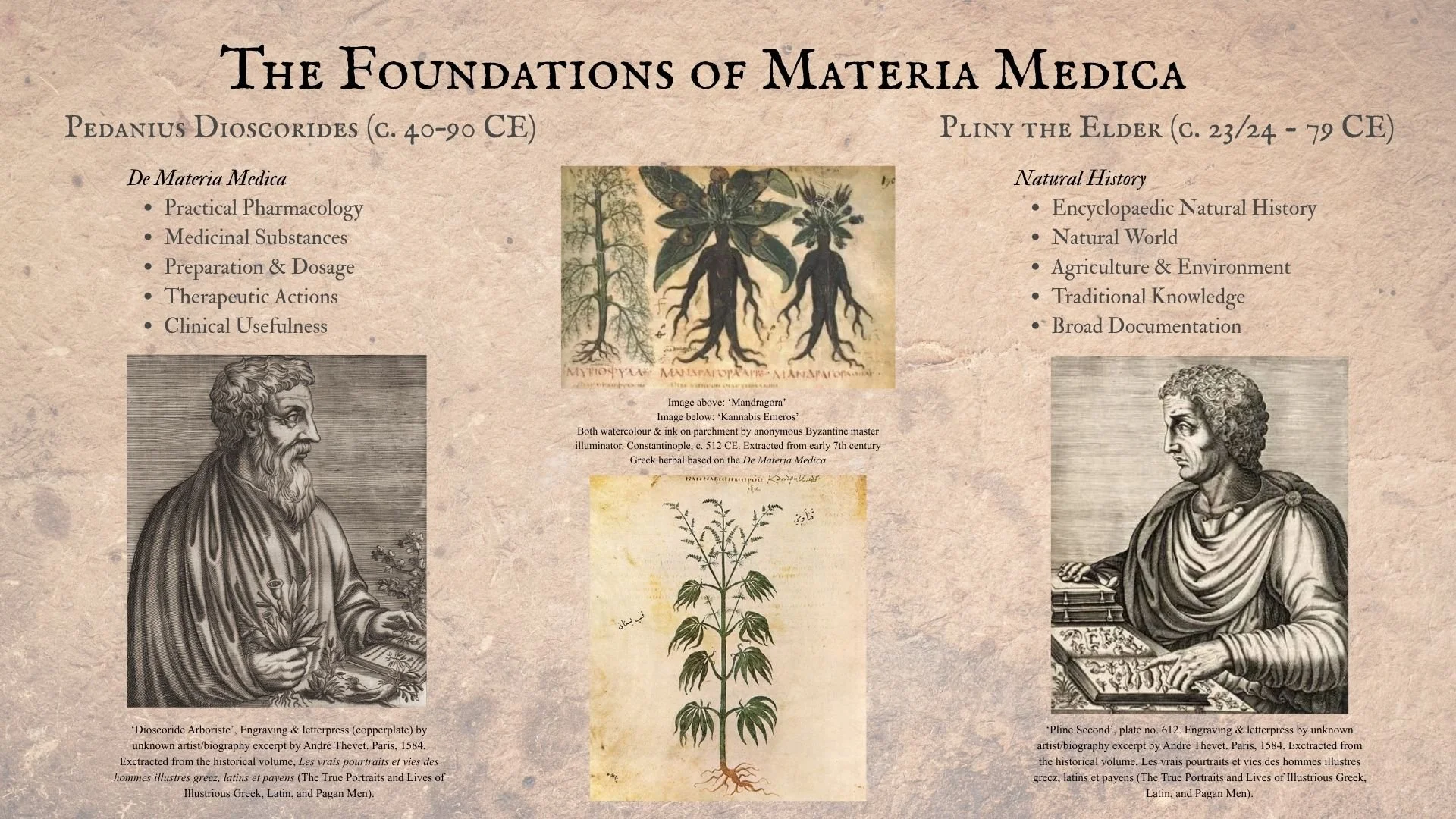
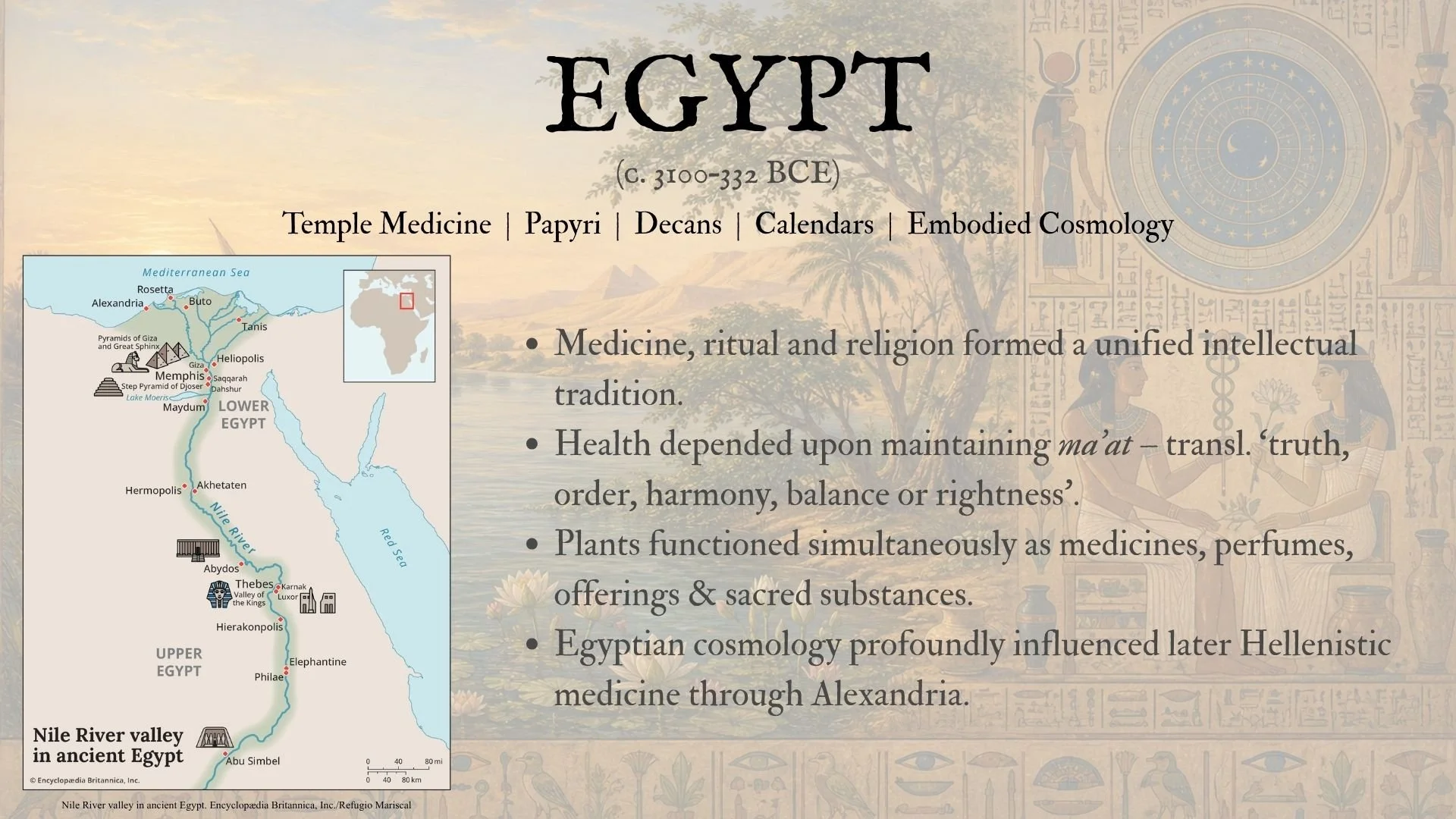
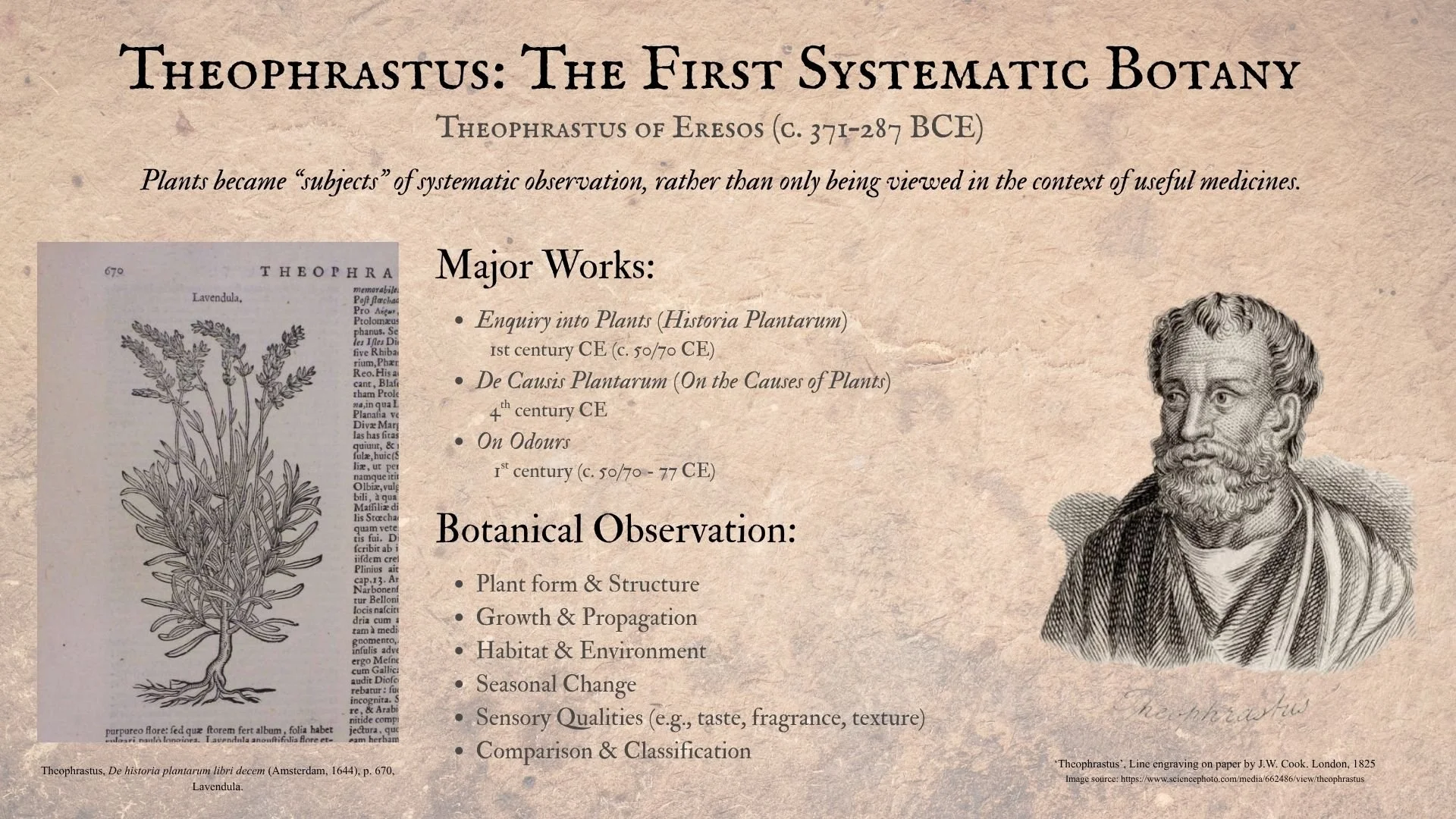
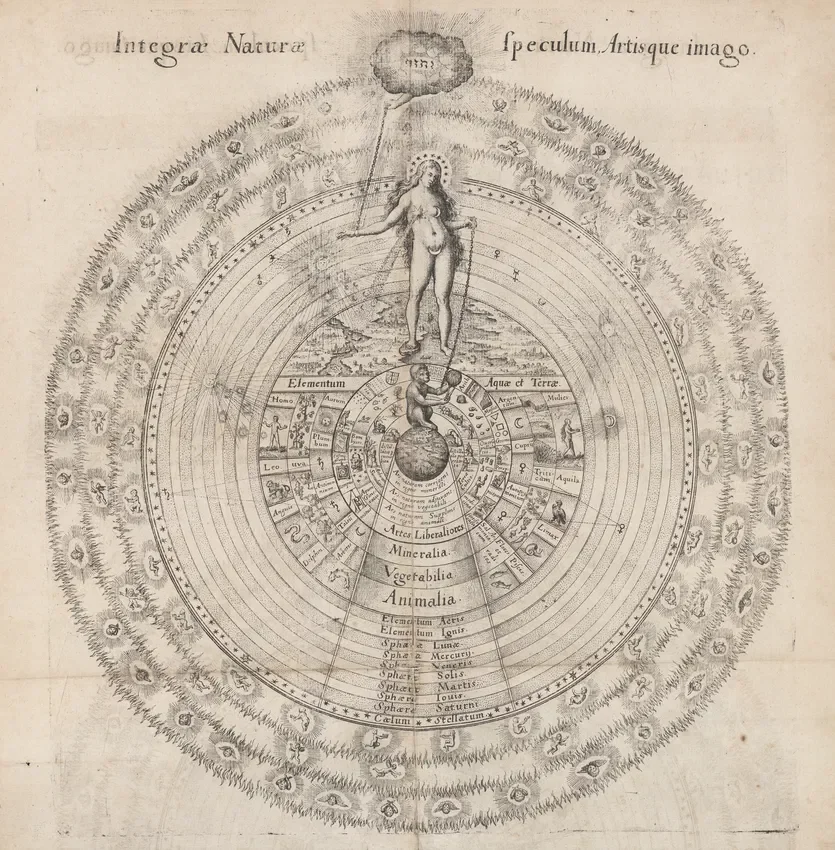
Celestial Herbalism: Foundations Intensive was an independently developed and delivered six-hour online course exploring the historical foundations of planetary herbalism, traditional cosmological frameworks and their practical applications in herbal medicine. The course incorporates historical source material, visual presentations, reference charts and opportunities for discussion, connecting theoretical concepts with traditional botanical practice.
Educational Significance
The Celestial Herbalism: Foundations Intensive demonstrates my approach to interdisciplinary adult education, integrating historical source analysis, theoretical instruction, visual reference materials and practical applications. The course draws upon principles of adult learning and scaffolding by connecting complex historical and philosophical concepts with learners' existing knowledge of herbal medicine.
Critical Reflection & Future Development
The original course was delivered as a six-hour intensive. Although this format allowed for comprehensive coverage of the subject matter, I recognised that the volume and complexity of information could place considerable demands upon learners' attention and capacity to assimilate new concepts.
For future delivery, I intend to restructure the material into four weekly sessions of approximately 2.5 hours. This would allow more deliberate sequencing of complex concepts, opportunities for consolidation between sessions and additional space for discussion, reflection and formative feedback.
This proposed revision reflects my developing understanding of cognitive load, scaffolded instruction and the distinction between comprehensive subject knowledge and effective instructional design (Sweller et al., 2019).
learner feedback & reflective evaluation
“I attended Jaynaya's Celestial Herbalism class and I learnt more about herbal history in this one session than I have in years of formal study! Jaynaya is thorough, and has an amazing ability to condense and synthesis dense information into accessible, yet not watered down, learning material. I highly recommend anything from Dose Botanicals, as I completely trust the quality and attention that is given to the content and craft.”
— Student“One of the most compelling aspects of the course was exploring the philosophical foundations of herbalism — how ancient thinkers understood the relationship between plants, people, and the cosmos — and tracing the true historical origins that shaped the traditions we still draw from today. Learning how herbalism began, not as folklore but as a thoughtful, observational practice rooted in cosmology and early natural philosophy, added a depth and legitimacy that elevated the entire experience.”
— Student“I experienced a deepening of my knowledge, seamlessly building upon solid blocks of intuitive and academic herbal medicine lore. This was like the class you wanted in your studies, that no one gave. The whole experience from start to finish moved with an energy of inclusion, respect for tradition and a meticulous understanding of herbalism as a living art form. The plants and I were very proud and grateful to have this knowledge championed and shared from an experienced, Australian practitioner. Can't wait for the next one.”
— Student“Jaynaya presented Celestial Herbalism with great passion and depth. It was delivered with care and reverence for the craft, its history, and carefully navigated cultural context. Jaynaya has a palpable relationship with our botanical allies, is generous, knowledgeable, and provided some fantastic resources and recommendations for further reading. I highly recommend this course.”
— StudentReflective Evaluation
The feedback received from participants of Celestial Herbalism: Foundations Intensive highlights recurring appreciation for the historical depth of the course, accessibility of complex subject matter, supplementary learning resources and an inclusive learning environment. These observations correspond with my teaching philosophy, particularly my commitment to intellectual rigour, interdisciplinary learning and connecting theoretical knowledge with practical understanding.
Whilst this feedback has been encouraging, I recognise that positive learner experiences do not necessarily demonstrate the extent to which intended learning outcomes have been achieved. Furthermore, appreciation for comprehensive course content must be considered alongside my own reflection on the cognitive demands associated with delivering complex material within a limited timeframe. Moving forward, I intend to incorporate more structured formative feedback and opportunities for learners to demonstrate their understanding, allowing me to evaluate instructional effectiveness beyond participant satisfaction and inform future course development.
GUEST LECTURING, seminars & Public Education
-
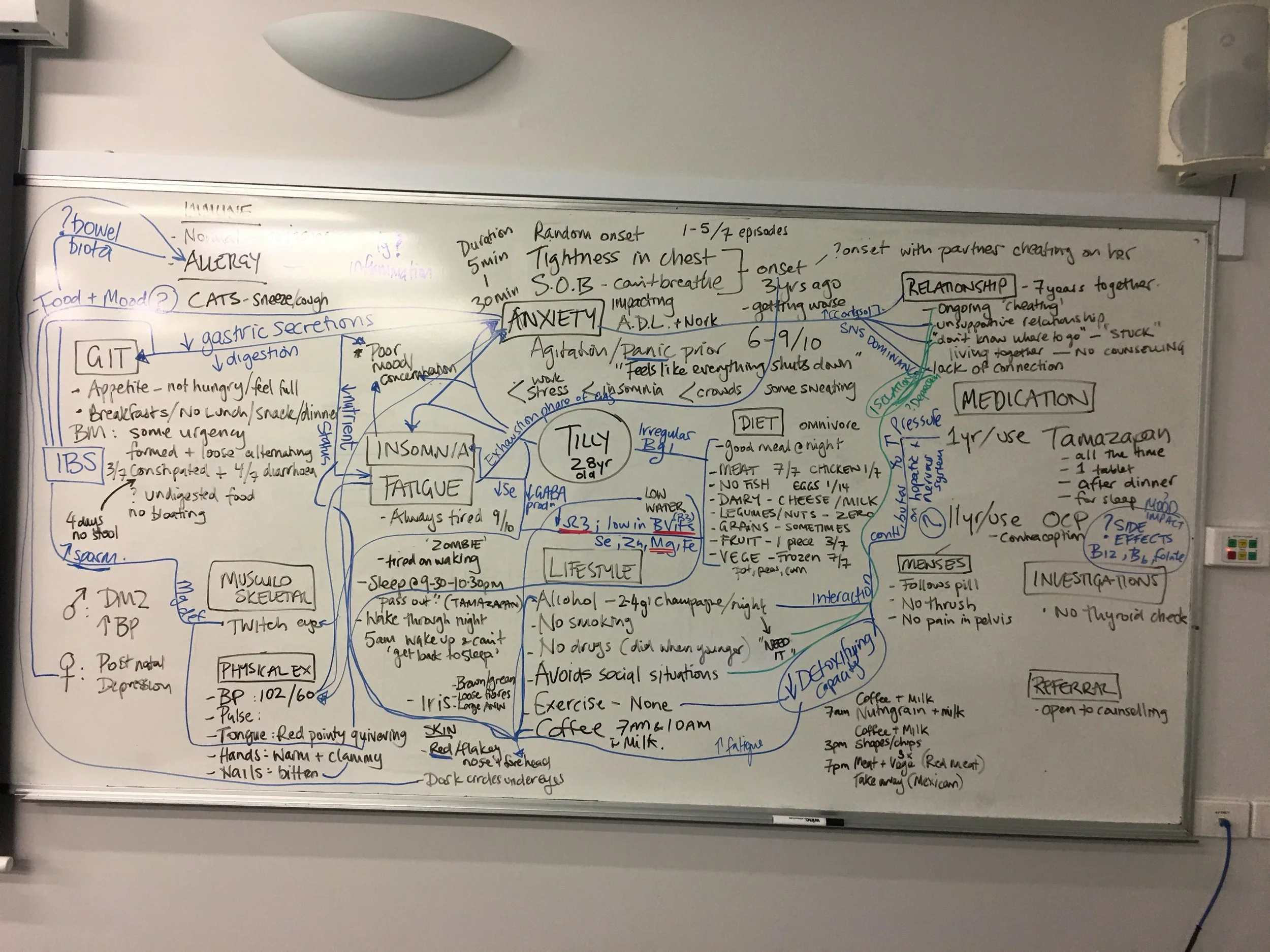
Guest lecturing, health-professional training and specialist seminars requiring disciplinary knowledge and the communication of complex information to diverse audiences.
Selected Teaching Experience:
Gardening & Creative Arts Program: Inclusive facilitation of practical, skill-based learning activities for participants with diverse intellectual, physical and social capabilities. Instructional approaches incorporated differentiated assistance, collaborative learning and opportunities for self-directed participation.
Trauma-informed Allied Health Education: Seminar delivery and professional training addressing trauma-informed approaches to service delivery, communication and professional responsibilities.
Mental Health & Alcohol and Other Drug Education: Information sessions exploring mental health, substance use, harm reduction and related health considerations.
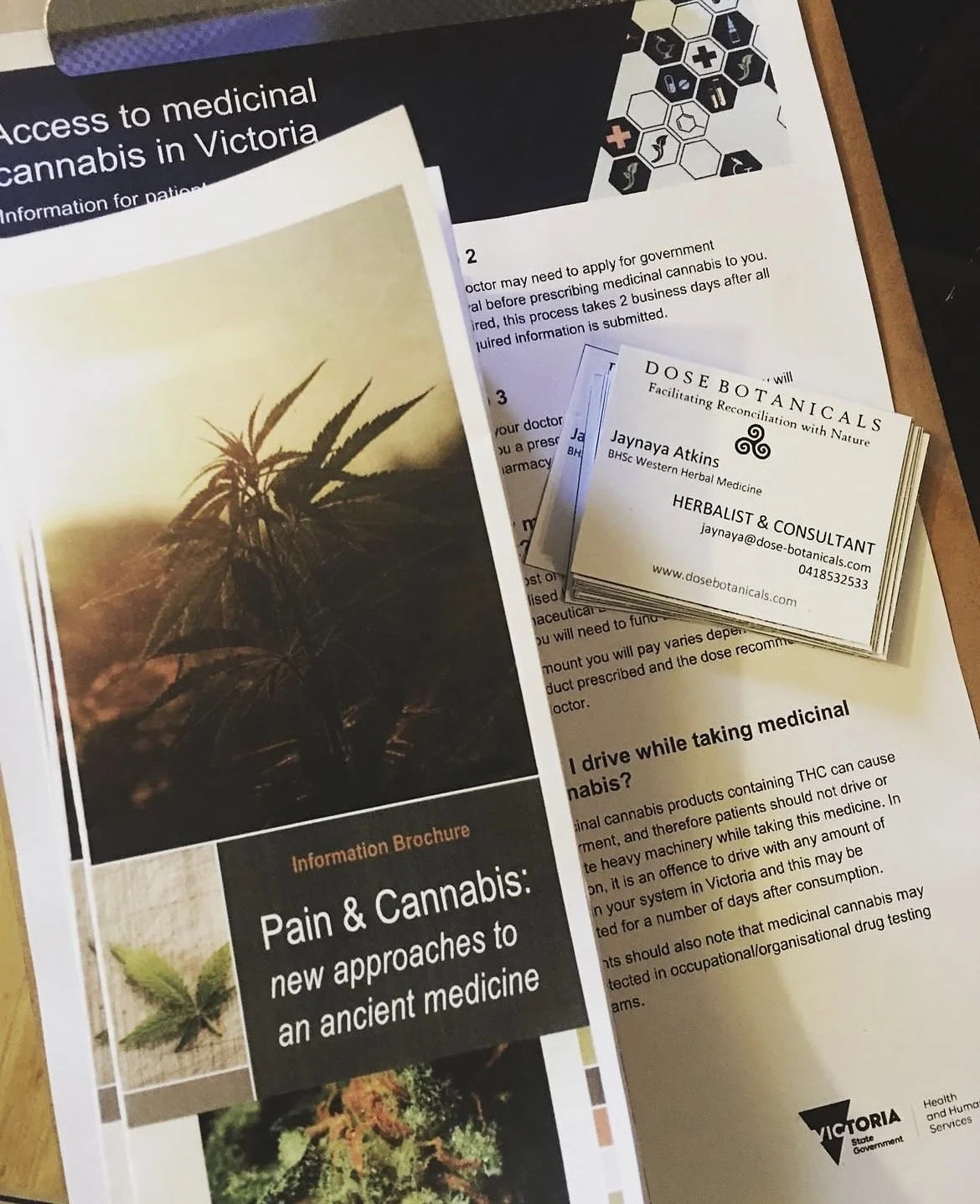
Cannabis Medicine Education: Specialist training for health professionals examining medicinal cannabis within relevant clinical and professional contexts.
-
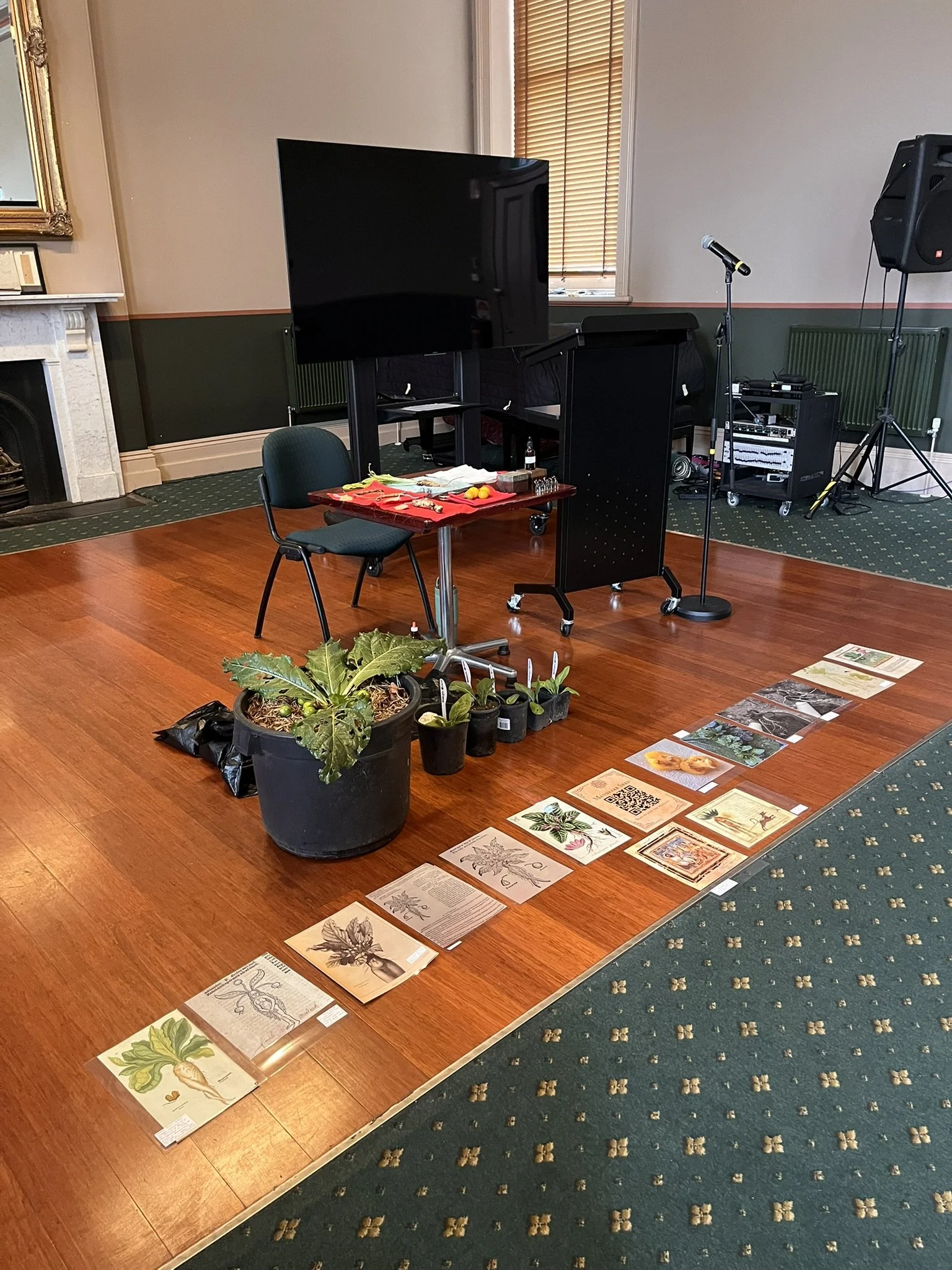
Public lectures, ethnobotanical presentations and educational sessions designed to communicate specialist knowledge to broader audiences.
Upcoming Speaking Engagements — 2027:
Victorian Occult Conference (Location: Ballarat Mechanics' Institute)
Between the Veil (Location: Melbourne Showgrounds)
Experiential & Place-based Learning
Practical Botanical, Laboratory & Ecological Education
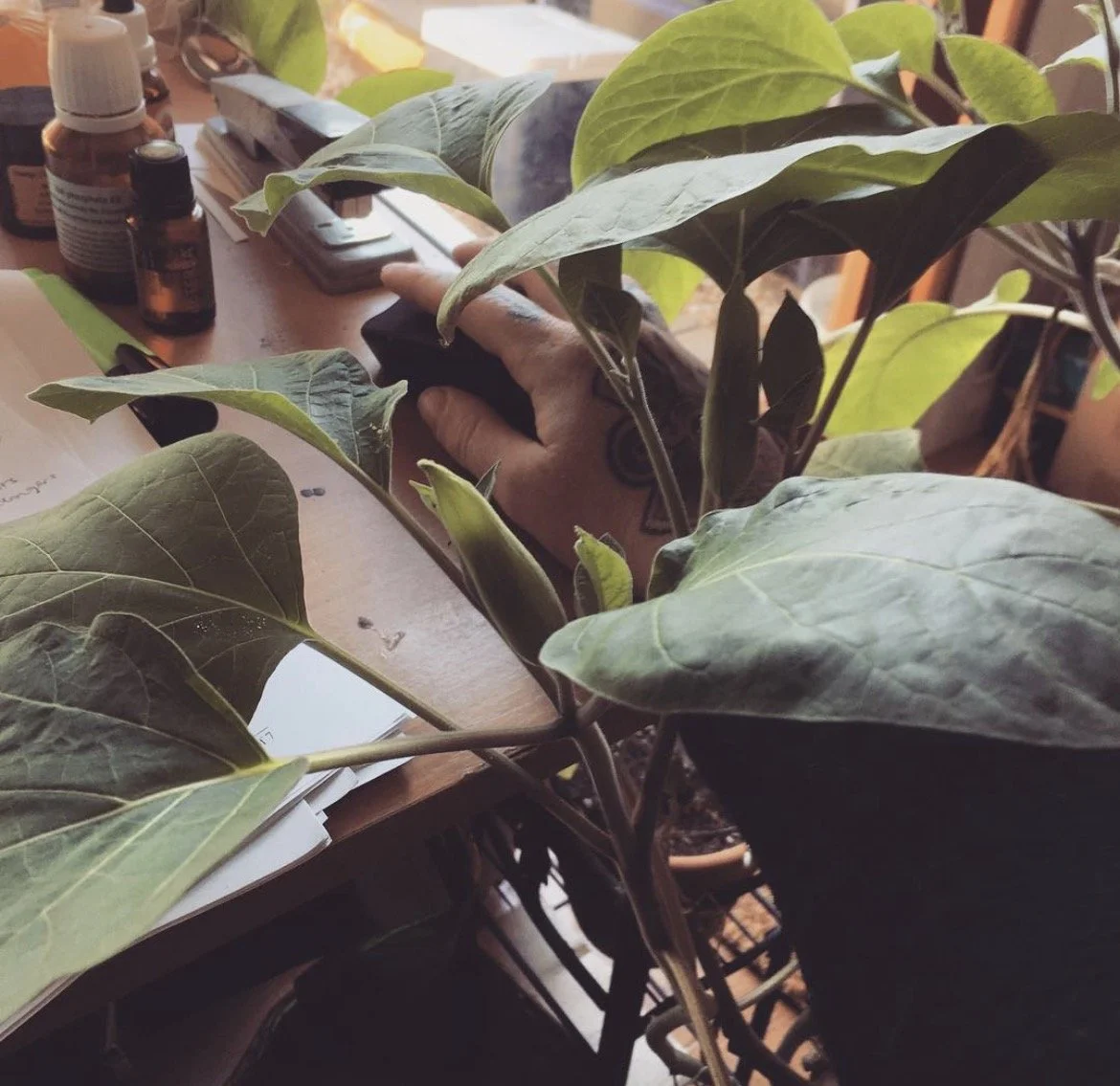
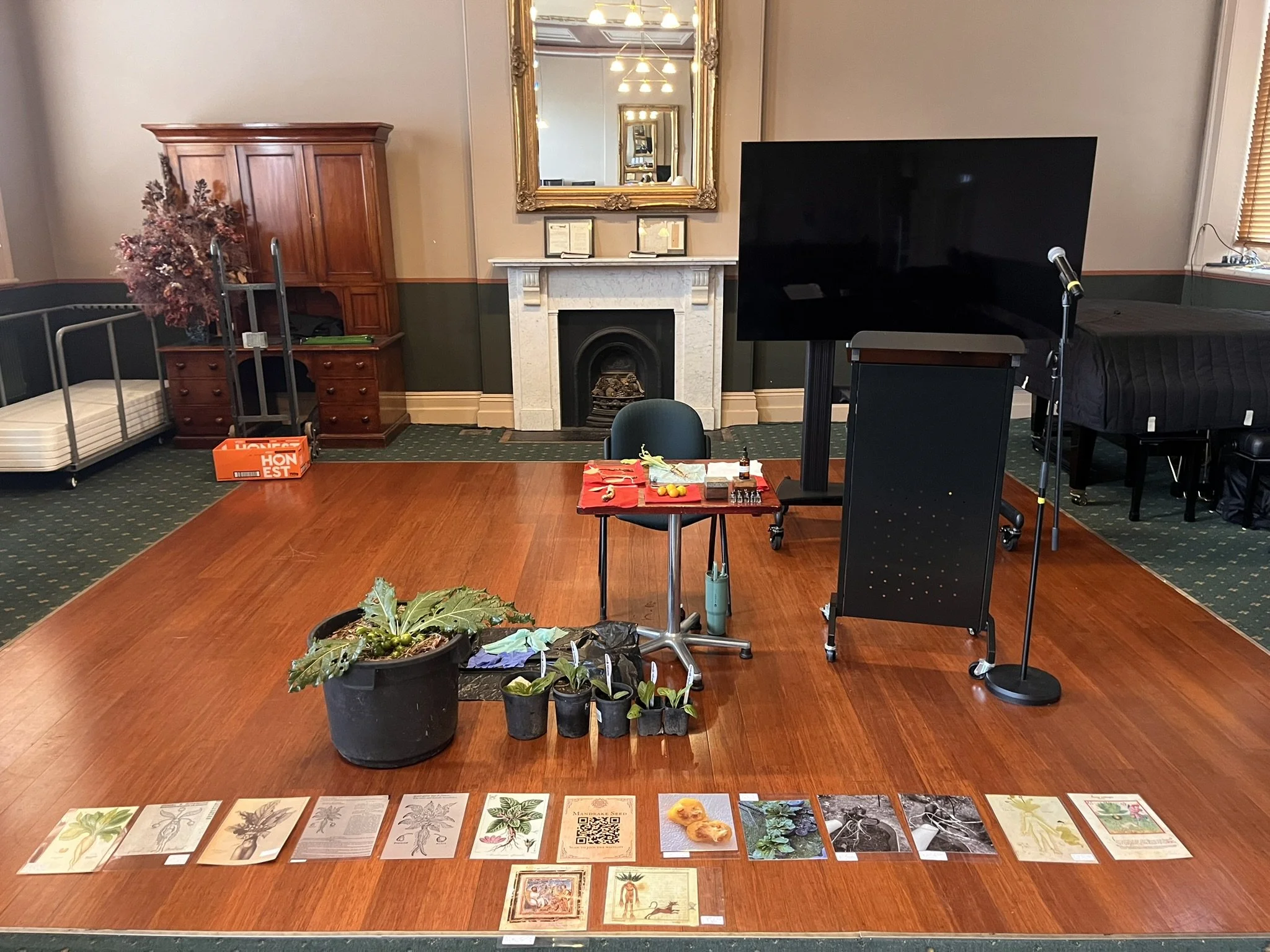
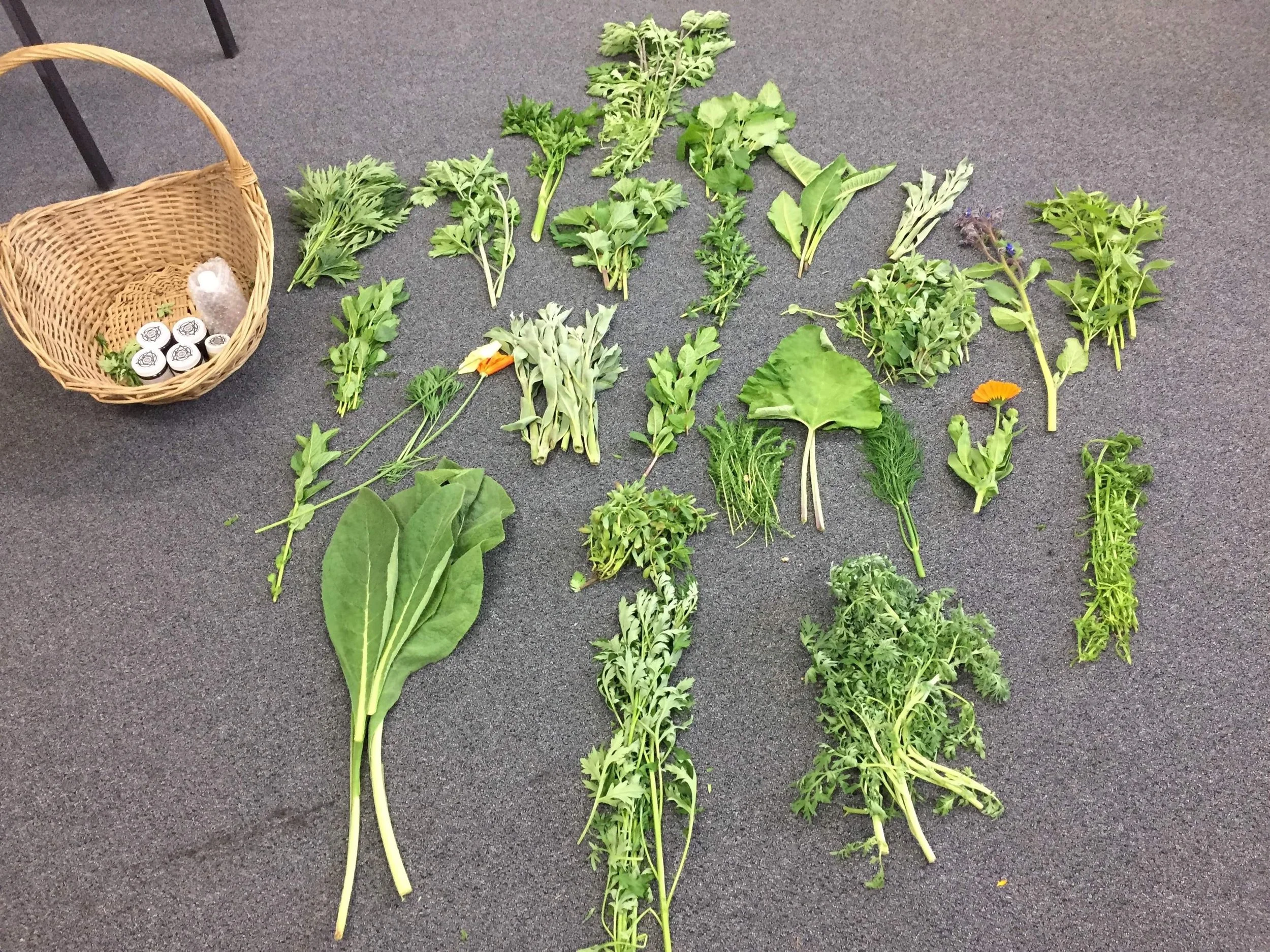
My experience facilitating practical workshops and garden-based education has reinforced the value of connecting theoretical knowledge with direct observation, material engagement and practical application. These learning environments provide opportunities for participants to develop skills through demonstration, guided participation and engagement with botanical materials and ecological systems.
My approach draws upon principles of experiential and situated learning, recognising that practical experience, reflection and conceptual understanding can contribute to meaningful learning. Through these activities, I aim to encourage scientific observation, ecological literacy and an understanding of the relationship between theoretical knowledge and its application in authentic environments.
PAST WORKSHOPS:
‘The Forbidden Gardens: Herbal Histories & Powerful Plants’ — Historical ethnobotanical education exploring the cultural, medicinal and philosophical contexts of traditionally significant plants.
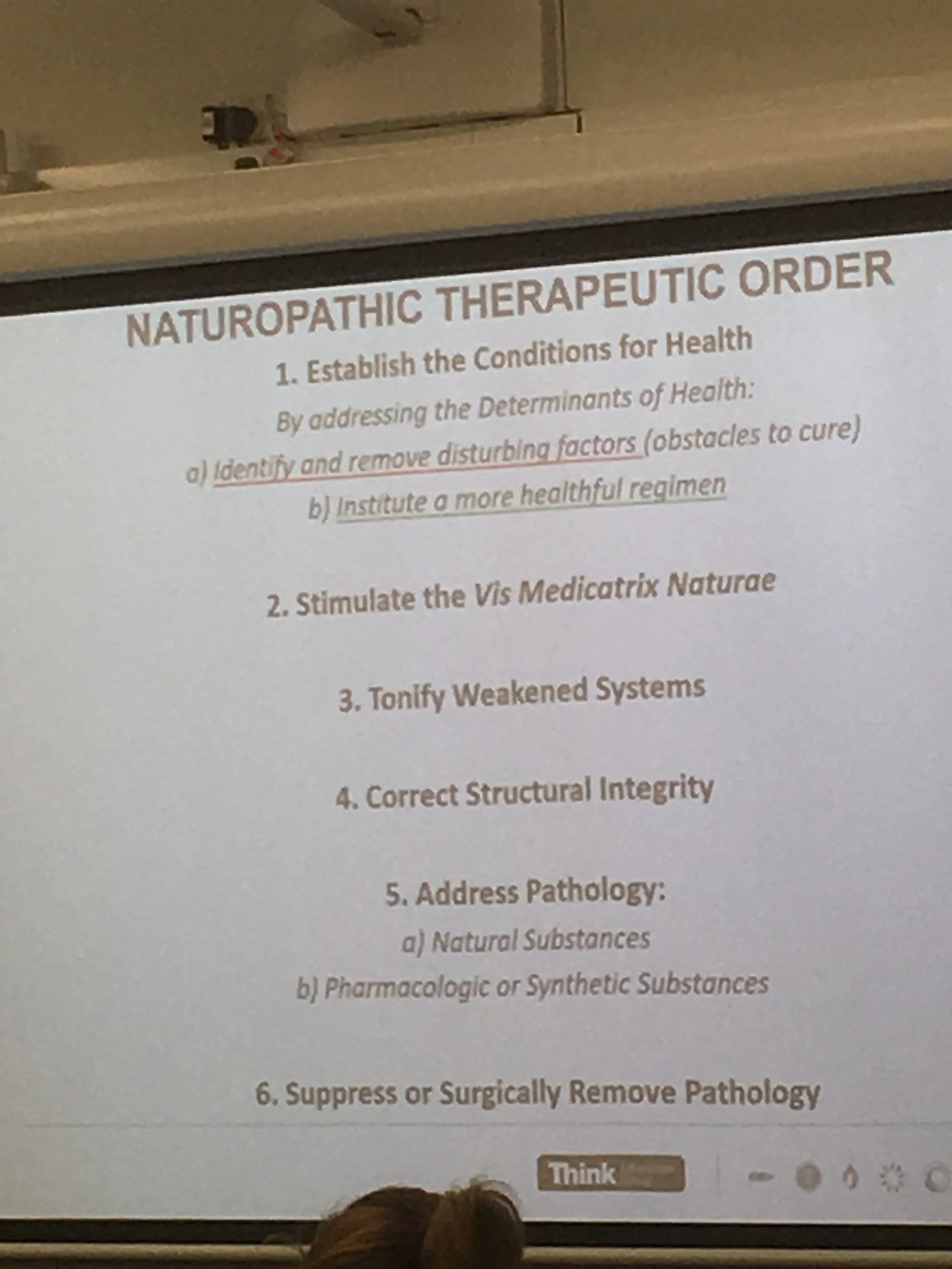
‘Scheduled Herbs’ — Lecture at Southern School of Natural Therapies (SSNT), Subject Unit: Materia Medica 2 - Week 10
‘Waste to Wonder’: Composting Seminar — Practical ecological education exploring composting processes, organic waste management and soil health.
‘Rewilding Medicine’ — Practical education in medicinal plant cultivation, from soil preparation and plant care through to harvesting.
‘Permie Kids’ — Interactive worm-composting workshop introducing young learners to decomposition, soil ecology and sustainable gardening.
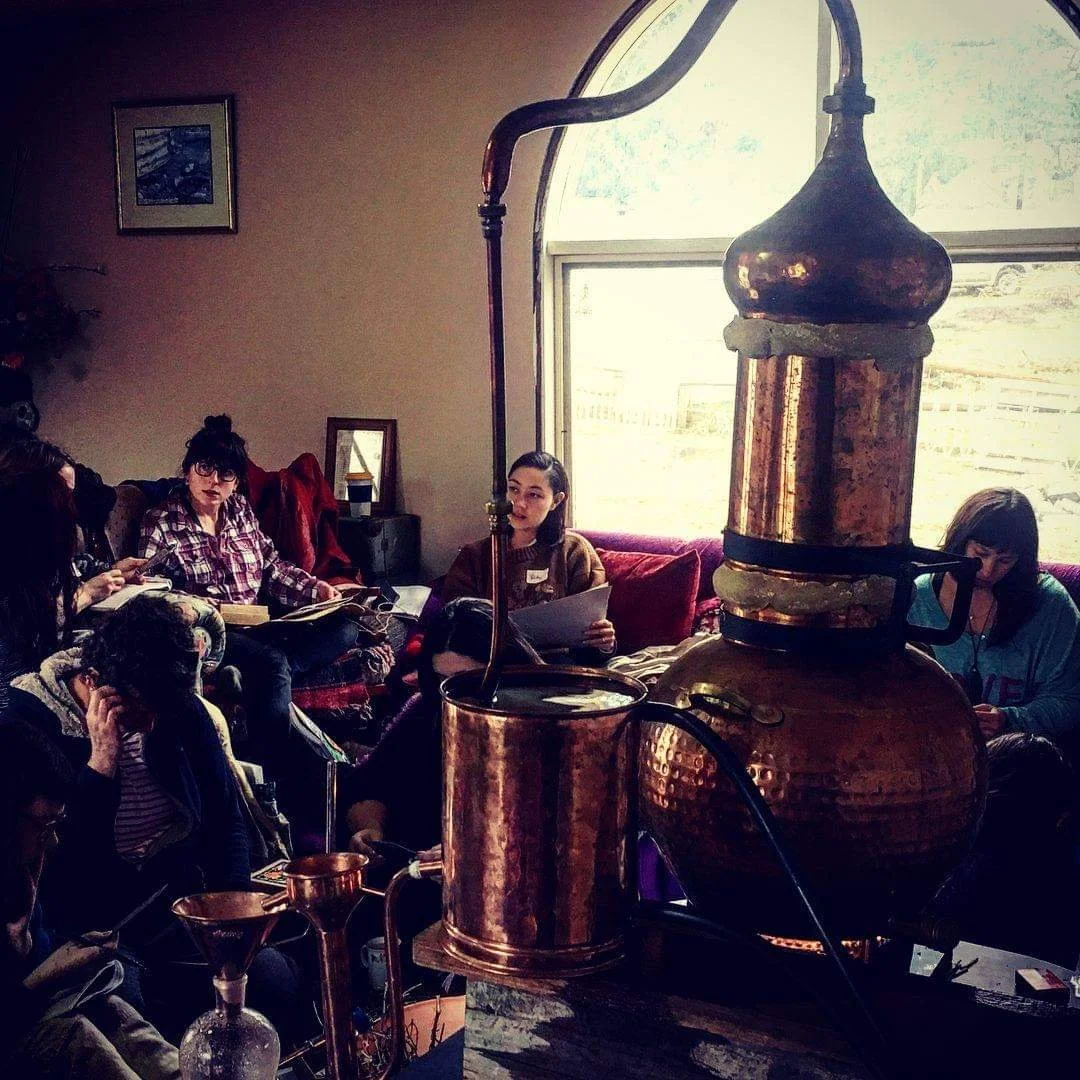
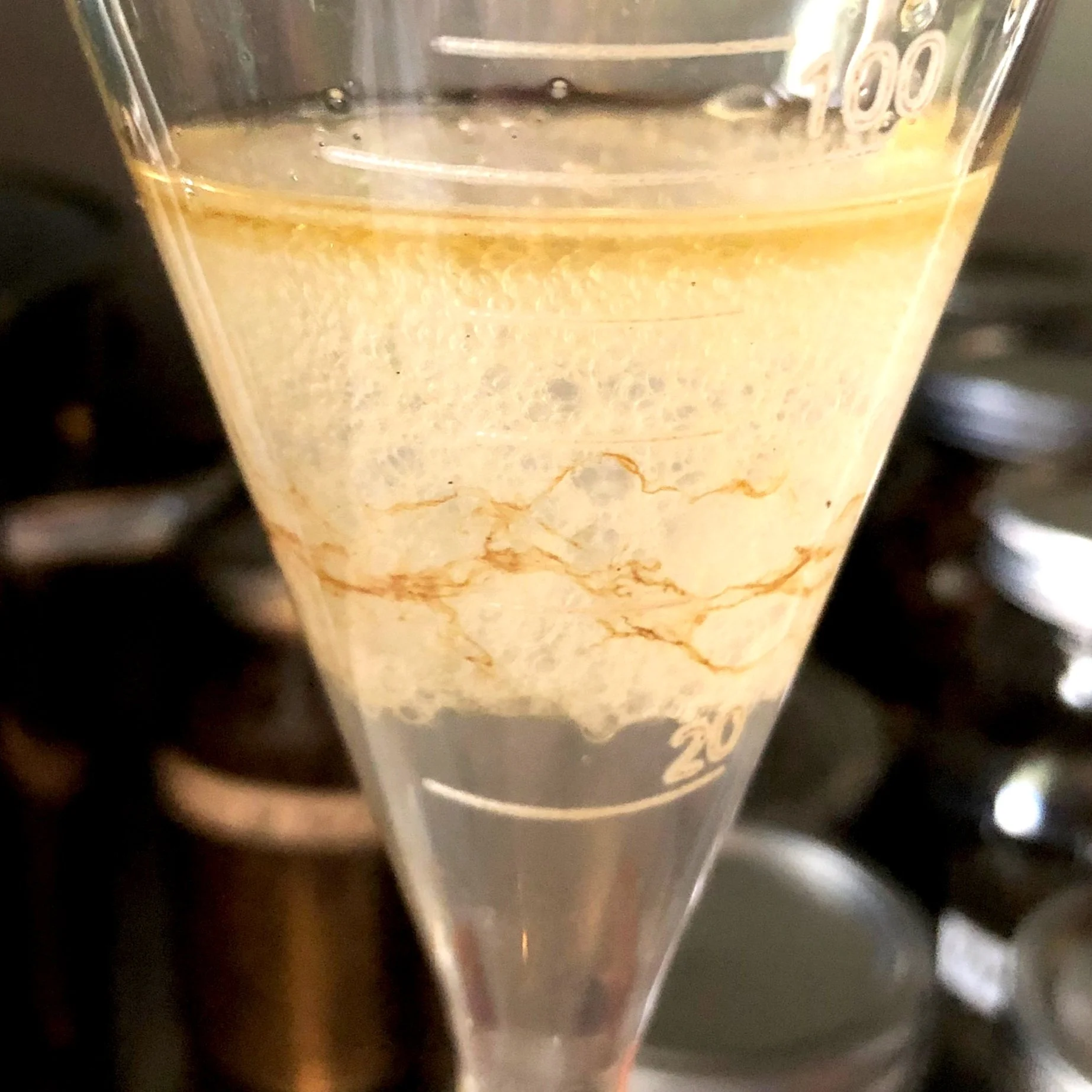
Traditional Distillation Demonstrations — Demonstrations of botanical distillation using copper alembics, connecting traditional preparation methods with organoleptic observation of physical processes.
Educational Resources & Knowledge Translation
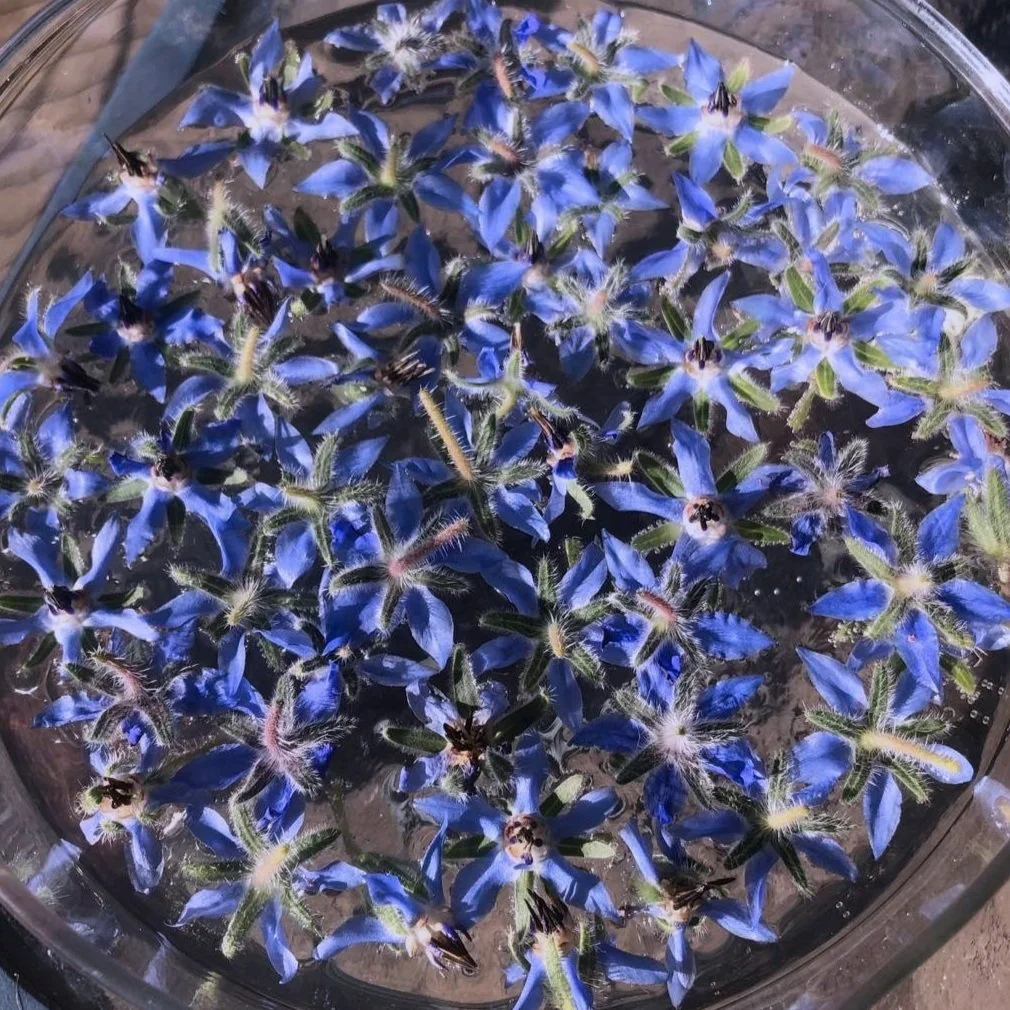
Through DOSE Botanicals’ online blog & digital resources, including the free membership portal, I have developed and curated a range of educational material intended to support independent learning and improve accessibility to specialised information.
Digital Resources
Research Summaries & Public Education


My ongoing scholarly development encompasses independent historical and ethnobotanical research, academic study, professional engagement and the preparation of specialist publications. These activities contribute to my disciplinary knowledge and inform the development of educational resources and teaching material, whilst supporting my continuing professional growth as an educator and researcher.
Research & Independent Publications
The preparation of research articles and independent publications involves collating, critically evaluating and synthesising evidence-based and traditional knowledge into comprehensive scholarly resources. These works contribute to my professional development whilst providing educational material for students and a foundation for future course and curriculum development. Their ongoing revision also supports continued engagement with emerging research and developments across relevant disciplines.
Professional Engagement & Communities of Practice
Participation in professional conventions, training and communities of practice provides opportunities to extend my disciplinary knowledge, engage with contemporary developments and exchange perspectives with other practitioners and educators. This engagement also contributes to my professional identity by encouraging dialogue between contemporary complementary health practices and traditional Western approaches.
An example of this engagement was my invitation to participate in an interview for the Australian Natural Therapists Association's Summer 2026 journal. This experience provided an opportunity to communicate my interdisciplinary approach to a broader professional audience and strengthened my confidence in the value of my contribution to the field.
Development & Publication of Course Learning Materials
The preparation of comprehensive course learning materials contributes to both my scholarly and pedagogical development. Organising specialist subject matter into structured educational resources requires consideration of content selection, instructional sequencing, accessibility and the relationship between theoretical knowledge and practical application. These materials provide ongoing reference resources for learners whilst establishing a foundation for future course development and revision.
Research, publications & Scholarly Development
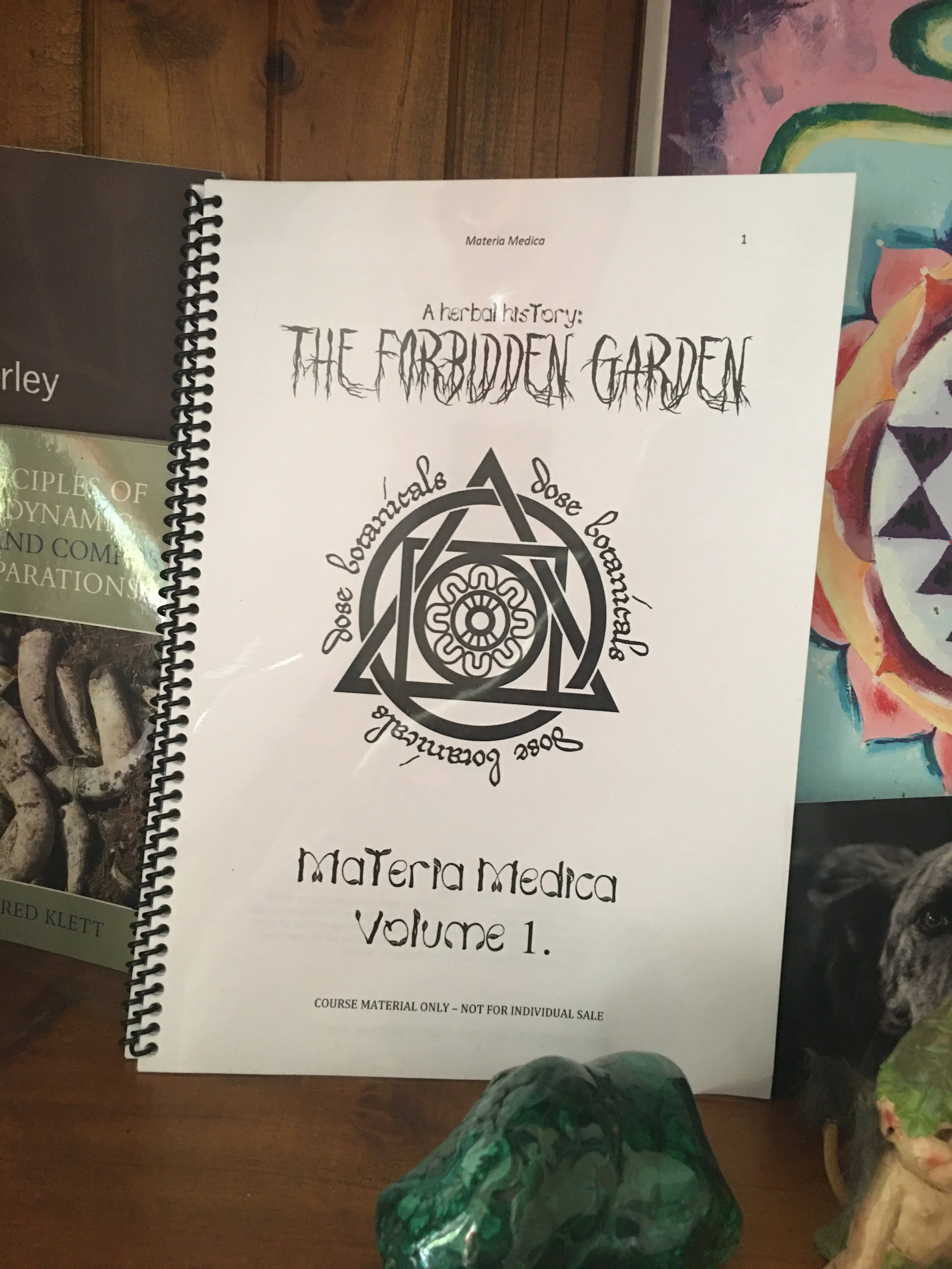
Course Publication - ‘Forbidden Gardens’ 2016 (self-published book)
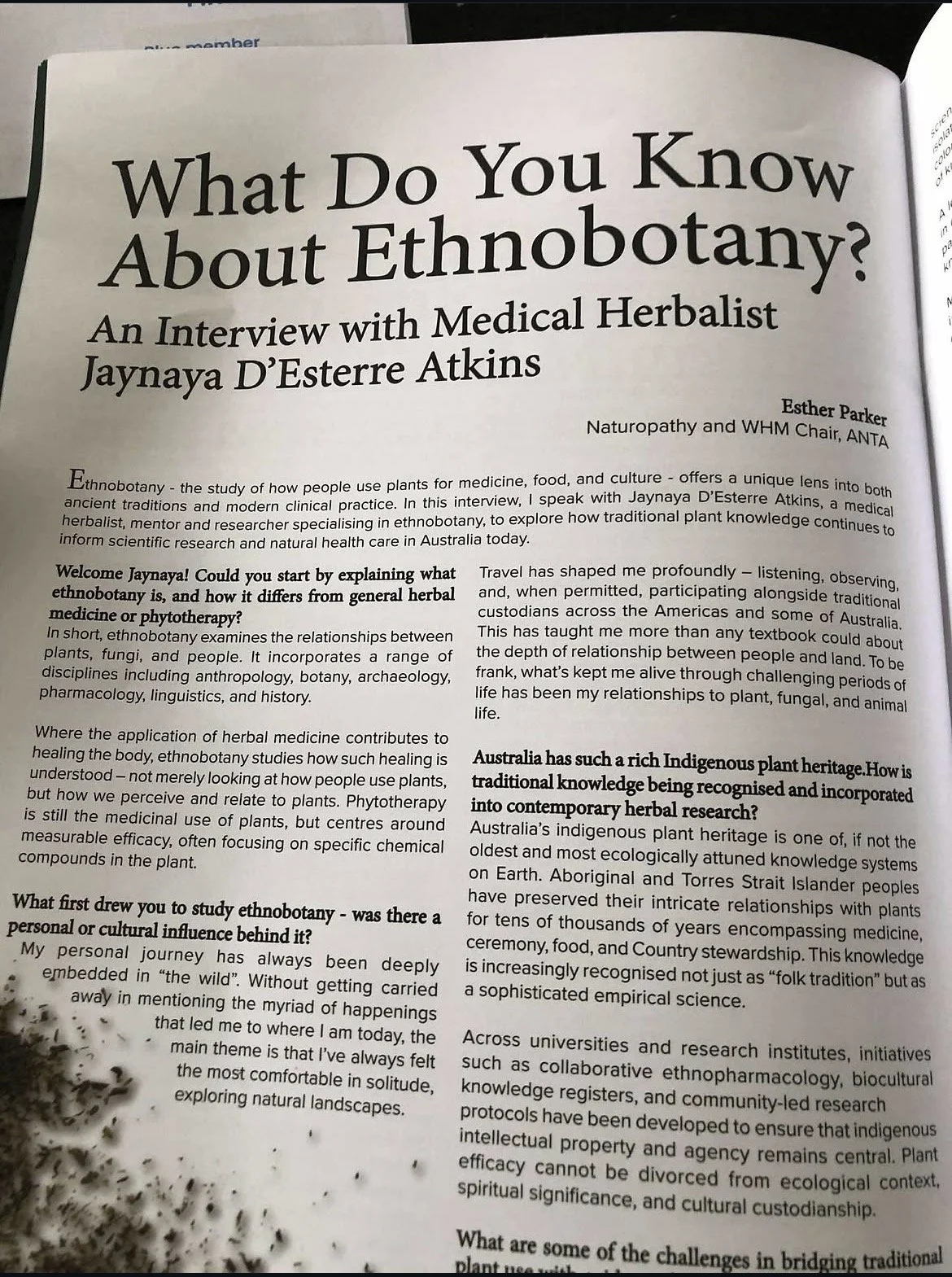
2026 ANTA Journal - Published Interview with Board member, Esther Parker
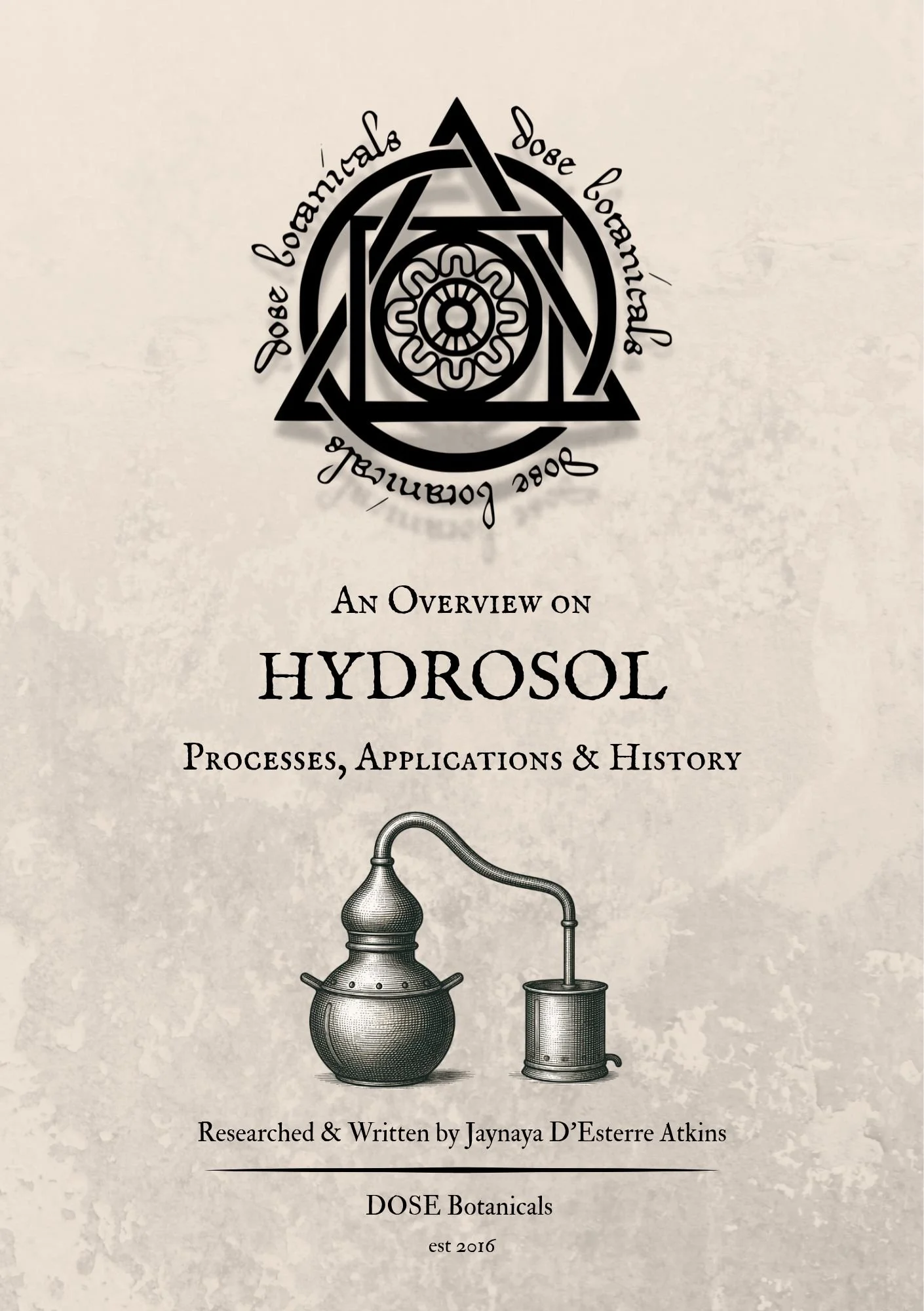
Independent Research Project, revised edition (2025)
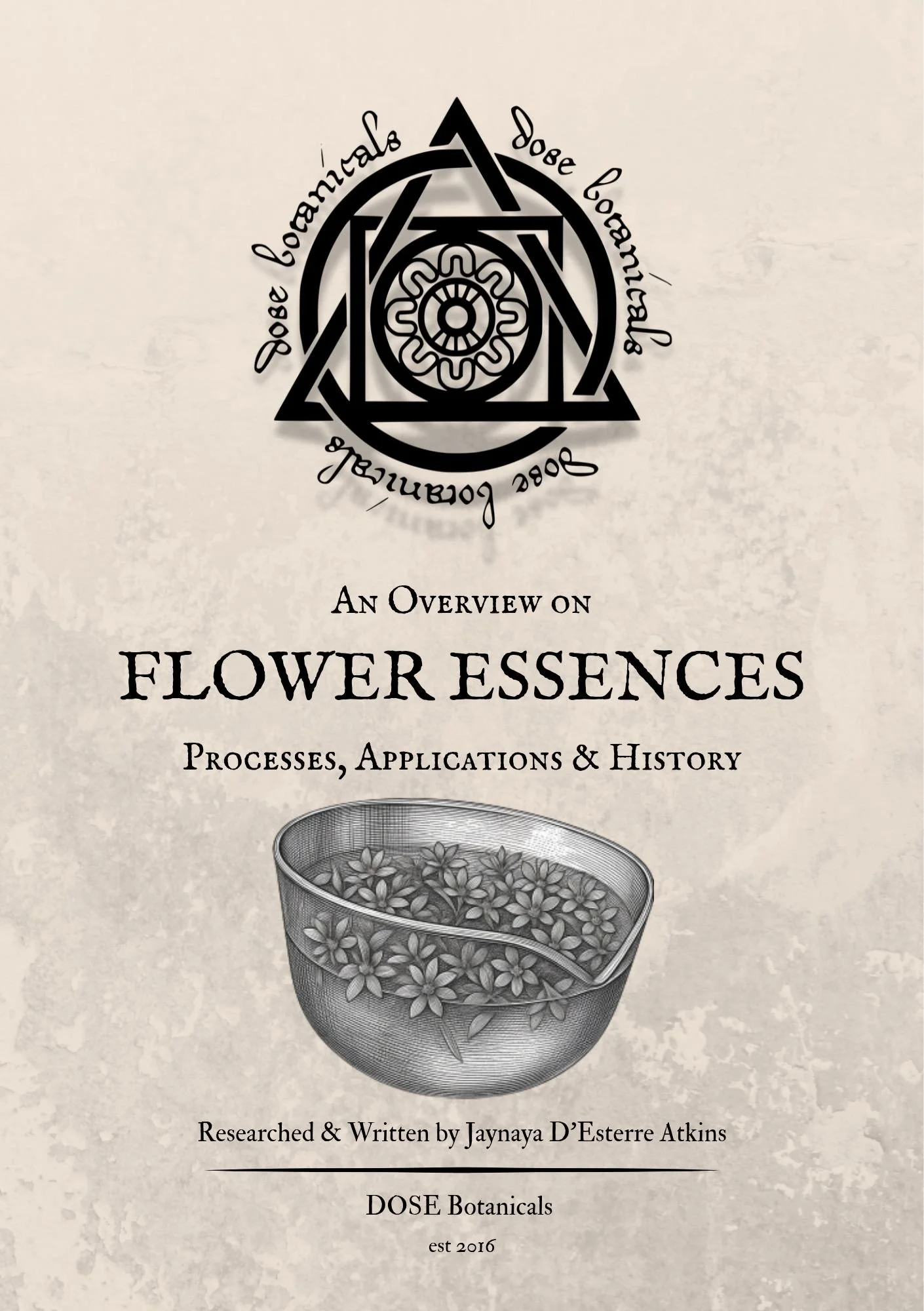
Independent Research Project, revised edition (2026)
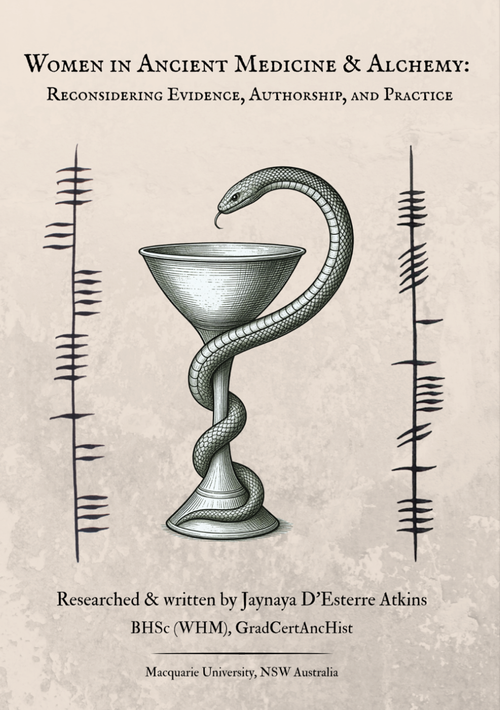
Independent historical research booklet, revised edition (2026)
Future Teaching Goals & Continuing Professional Development
A future professional goal is to establish an online school, Sapientia Herbarum (Latin: Wisdom of Herbs), dedicated to the historical and traditional foundations of Western herbalism, including its cultural contexts, energetic frameworks and esoteric applications. The proposed learning platform will incorporate structured courses, a community discussion forum and downloadable educational resources, including reference charts, reading lists and supplementary learning materials. Courses will accommodate different levels of prior knowledge, from introductory students through to advanced and qualified practitioners.
The aim is to address areas of traditional Western herbal knowledge that may receive limited attention within contemporary naturopathic and herbal medicine education, whilst providing accessible opportunities for continued learning, professional development and mentorship. The development of this school will also provide opportunities to apply and further refine my pedagogical knowledge, particularly in curriculum design, constructive alignment, inclusive learning environments and formative assessment. Alongside this goal, I intend to continue developing my teaching practice through postgraduate education, professional engagement, scholarly research and ongoing evaluation of my instructional approaches.
I also aim to pursue opportunities in tertiary education, particularly within Western herbal medicine, health science and related interdisciplinary fields, whilst continuing to develop my independent educational and research practice.
References
Kolb, D. A. (1984). Experiential learning: Experience as the source of learning and development. Research Gate; Prentice-Hall. https://www.researchgate.net/publication/235701029_Experiential_Learning_Experience_As_The_Source_Of_Learning_And_Development
Knowles, M. S., Holton, I. E. F., & Swanson, R. A. (2005). The adult learner: The definitive classic in adult education and human resource development. Taylor & Francis Group.
Saleem, A., Kausar, H., & Deeba, F. (2021). Social constructivism: A new paradigm in teaching and learning environment. Perennial Journal of History, 2(2), 403–421. https://doi.org/10.52700/pjh.v2i2.86
Sweller, J., van Merriënboer, J. J. G., & Paas, F. (2019). Cognitive architecture and instructional design: 20 years later. Educational Psychology Review, 31, 261–292. https://doi.org/10.1007/s10648-019-09465-5
A comprehensive list of herbal actions, temperaments, tastes, tropisms, botanical terms & their definitions