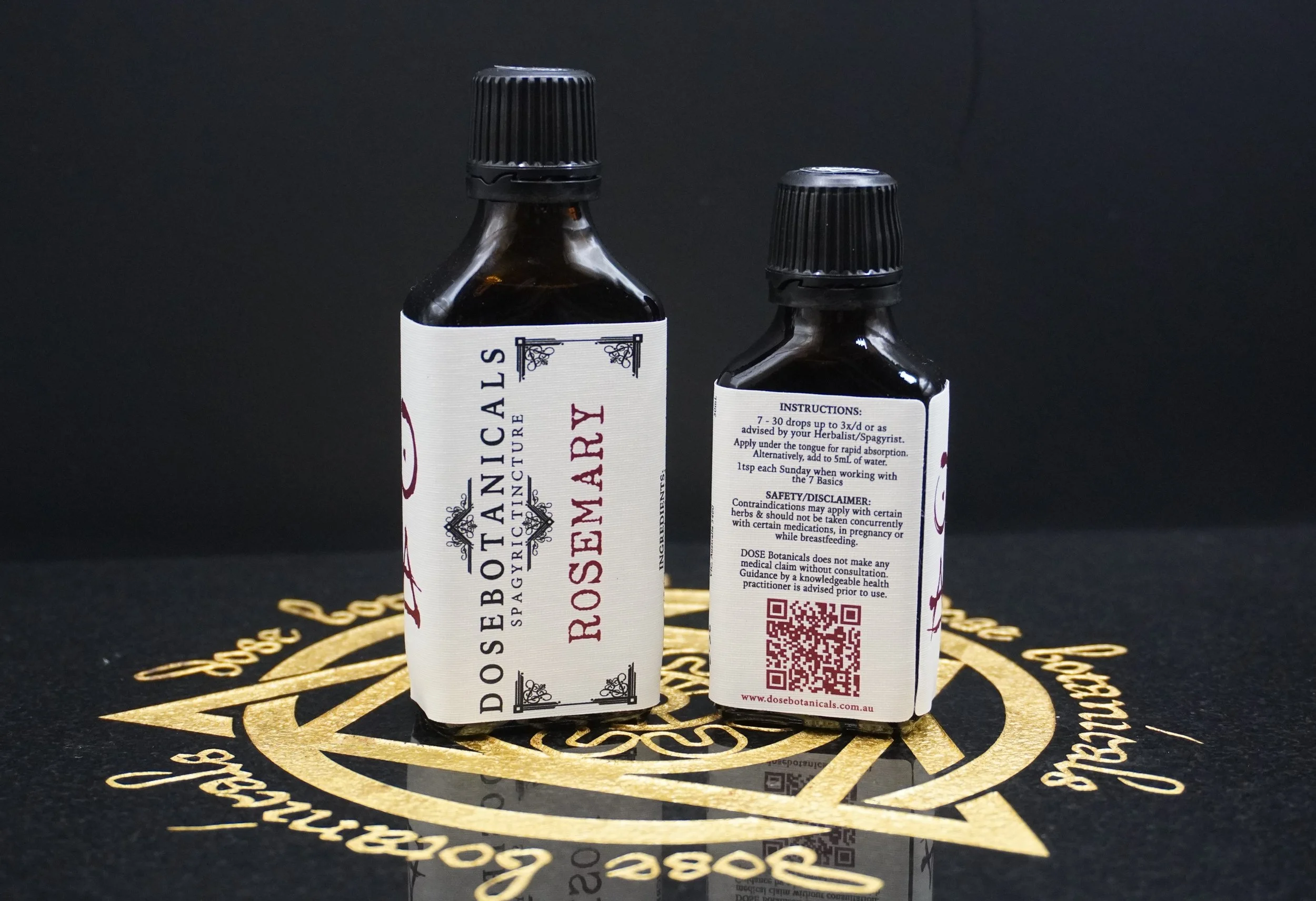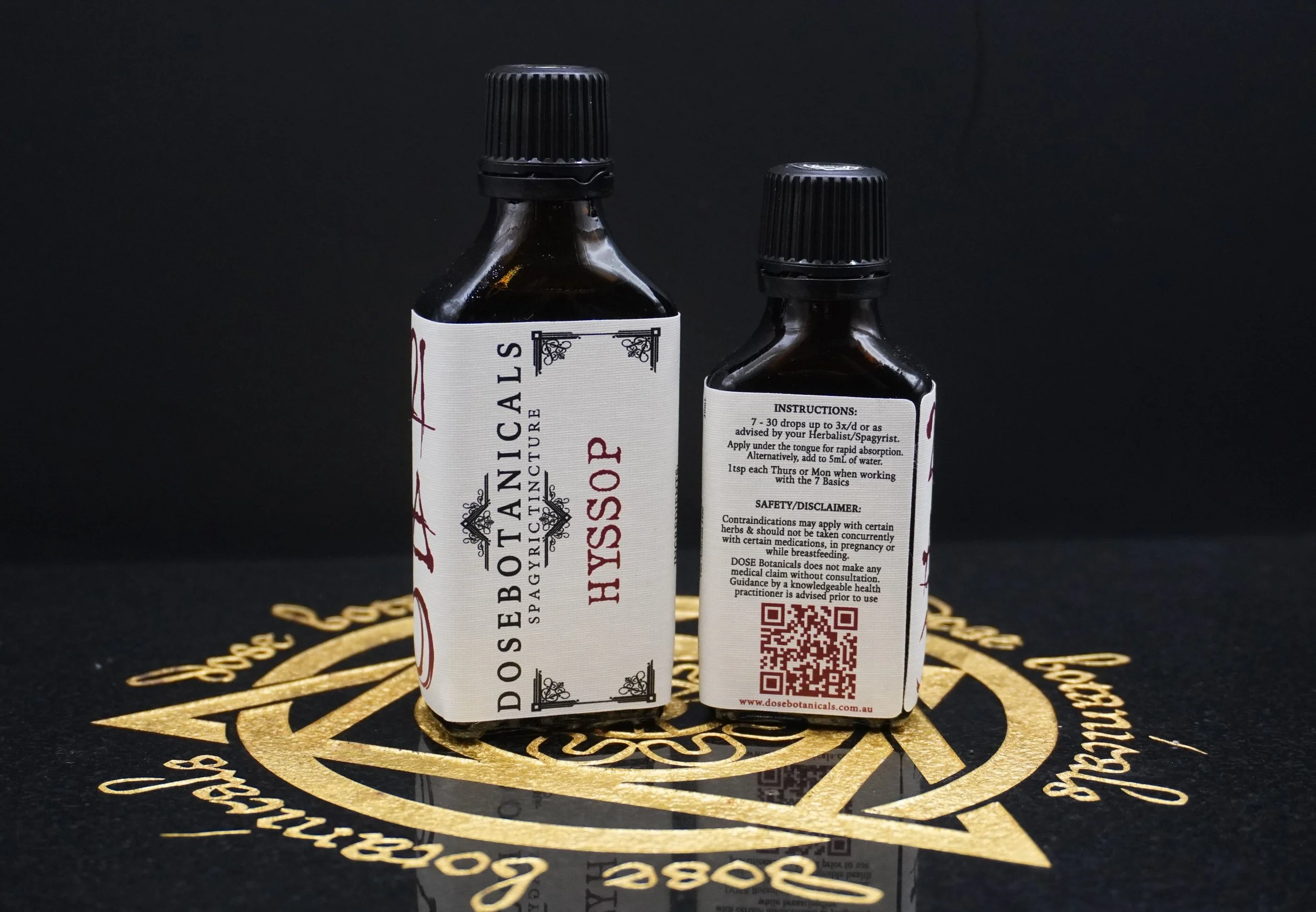
Spagyrics

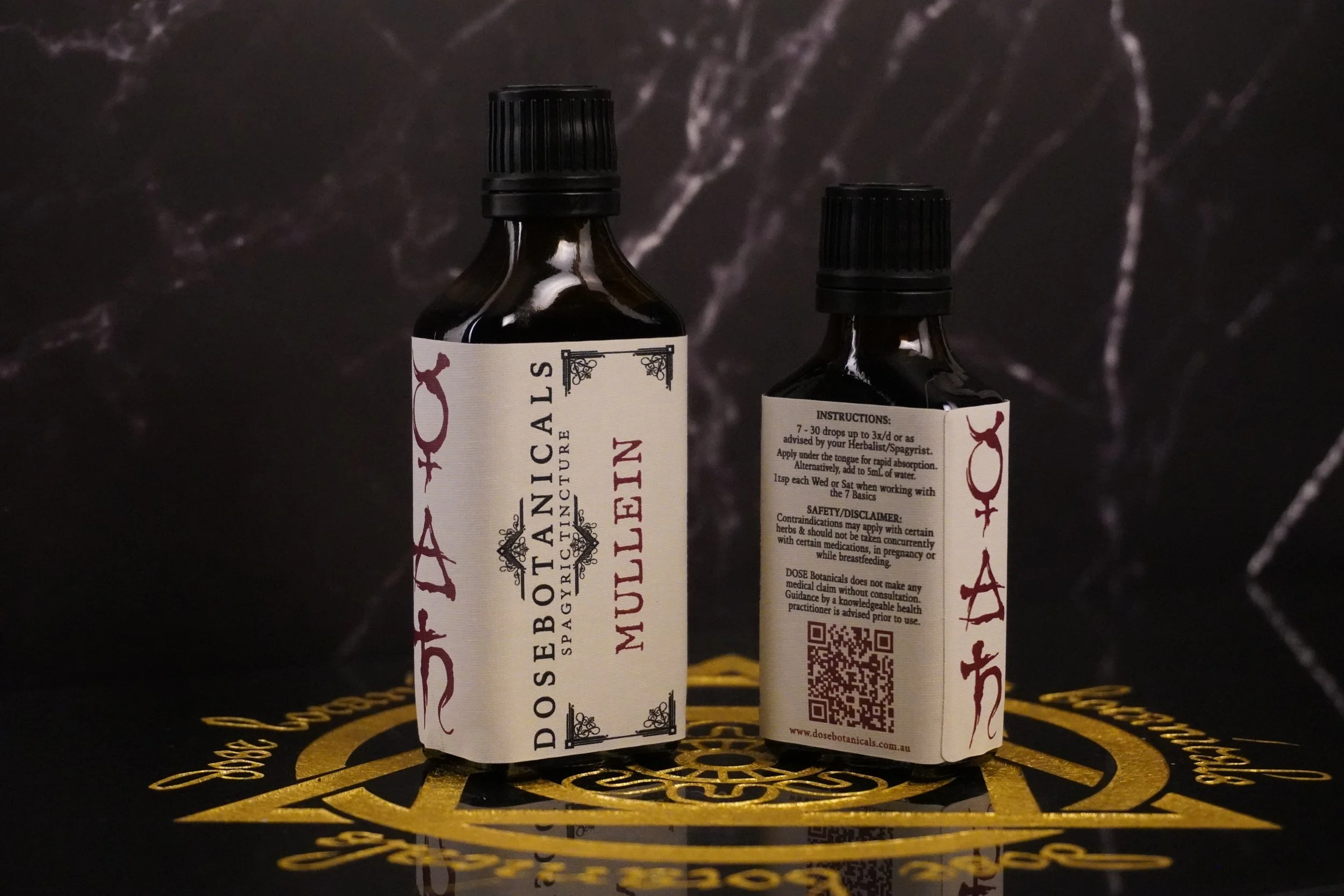
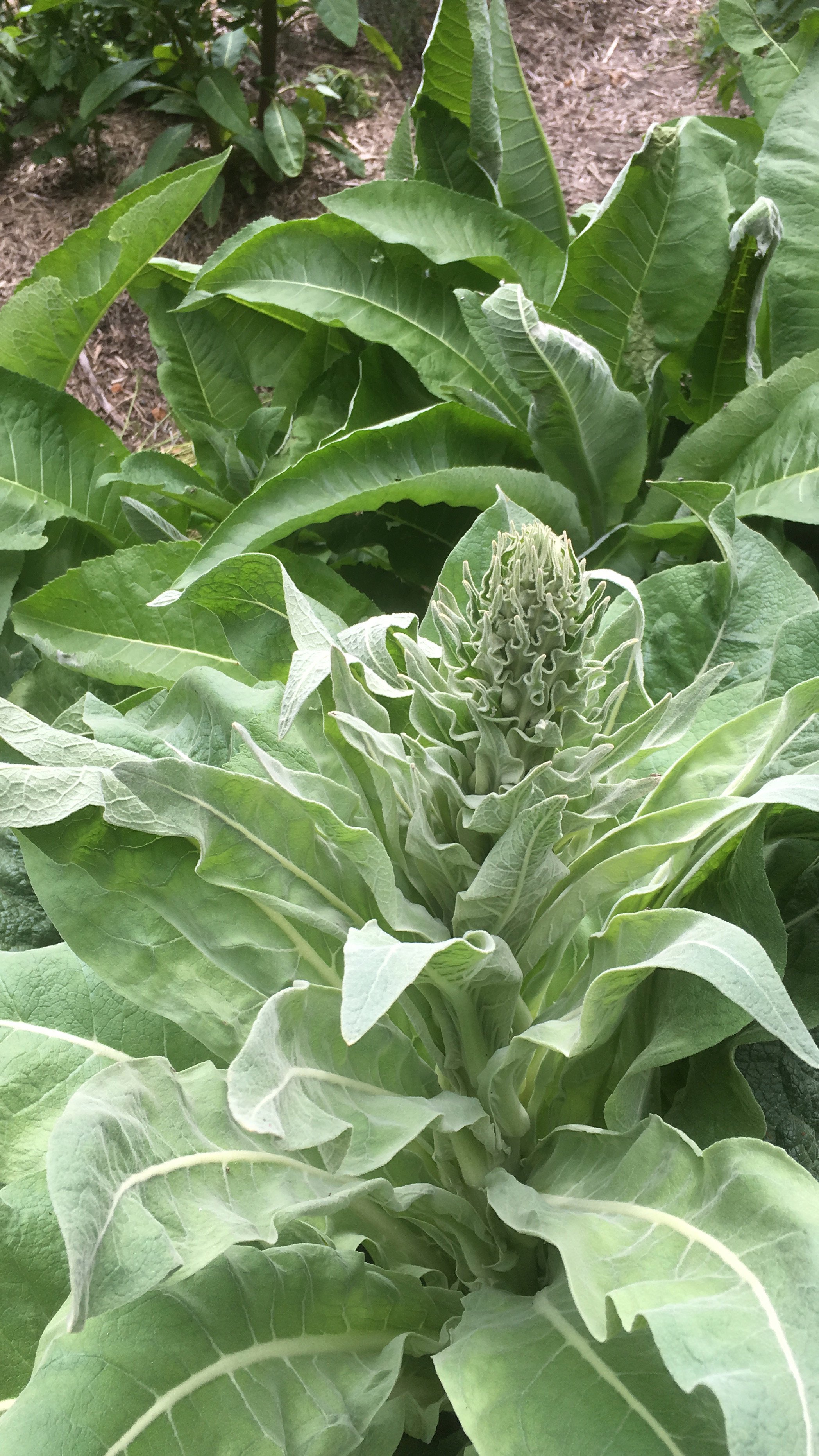
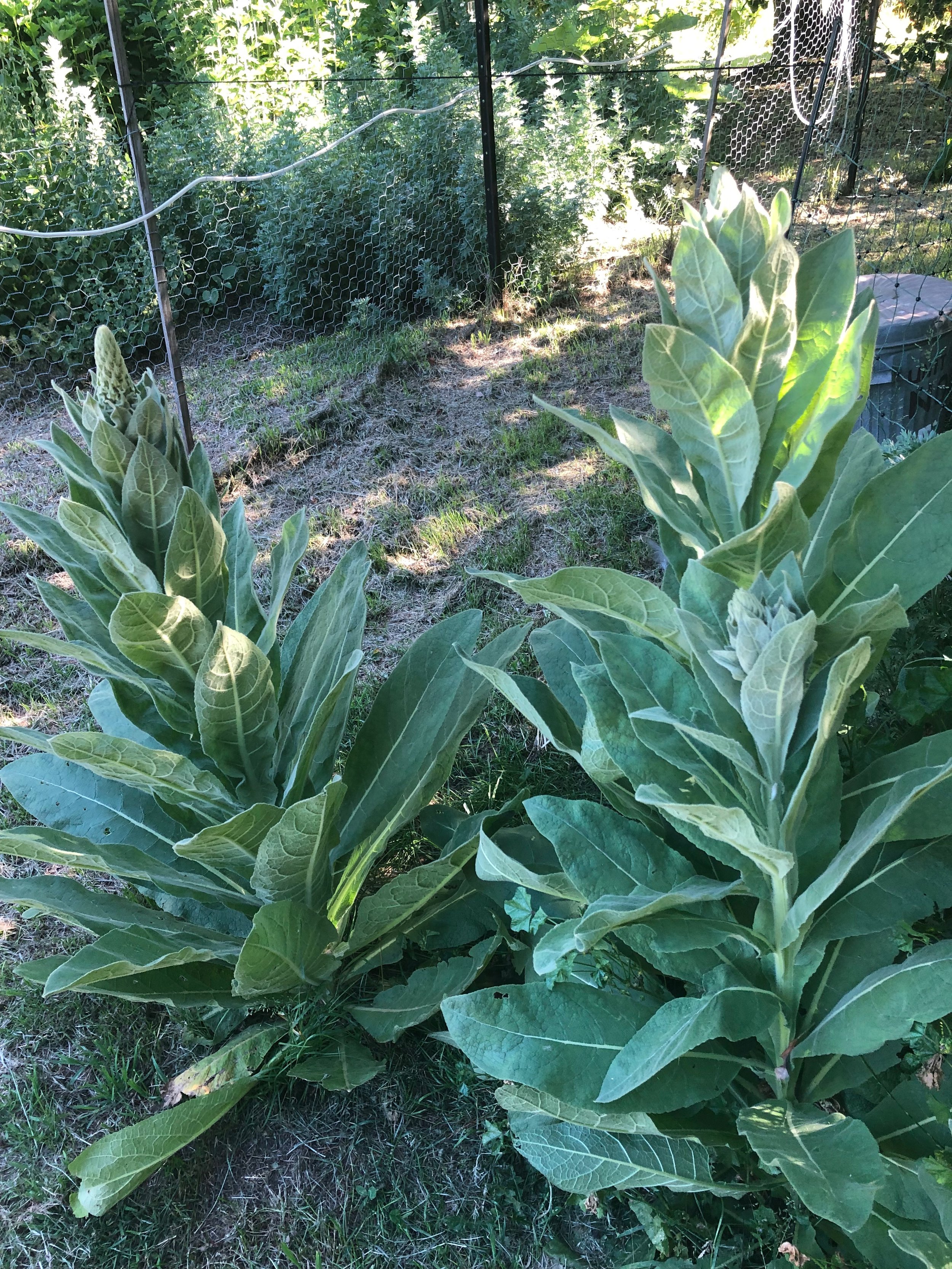
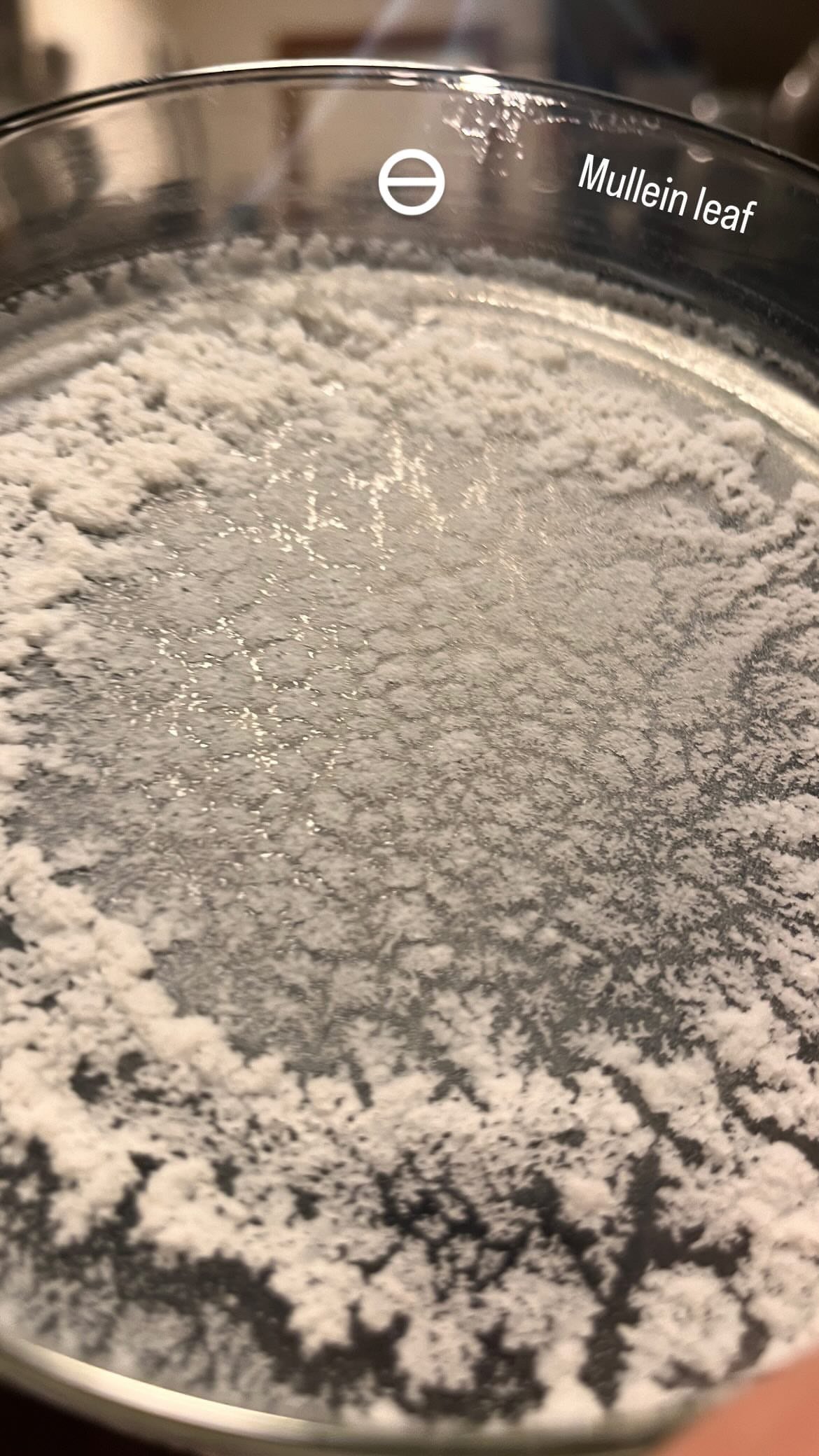
Mullein (Leaf) Spagyric Tincture
from $39.95
Damiana Spagyric Tincture
from $39.95
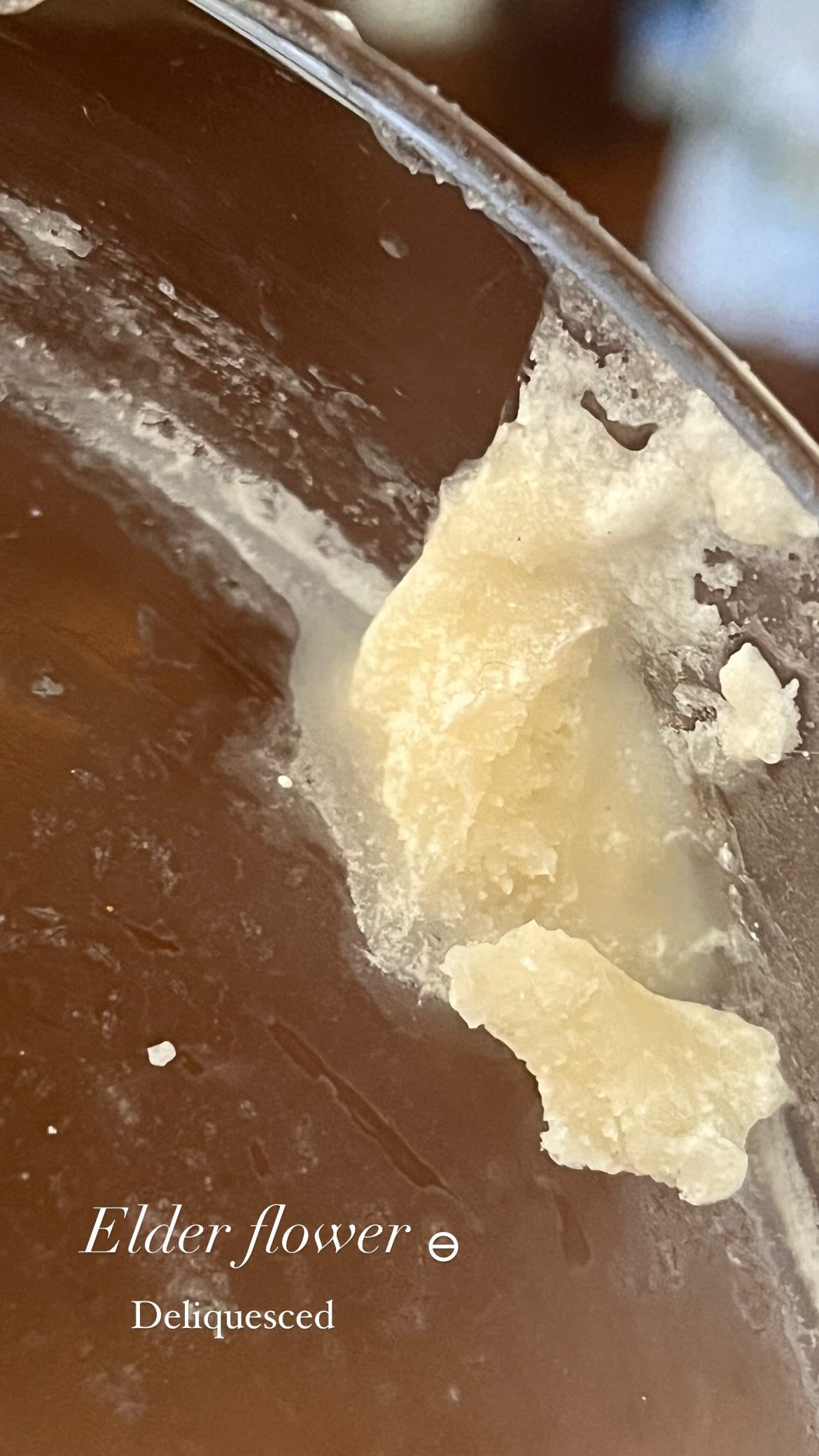
Elderflower Spagyric Tincture
from $39.95
Frequently Asked Questions

  • The term spagyric in the context of herbal extracts, refers to a branch of vegetable alchemy involving the intentional separation, purification, and reunification of a plant’s principles in order to produce a preparation that is considered both medicinal and philosophically complete.

    The word derives from the Greek σπάω (spao — “to draw apart”) and ἀγείρω (ageirō — “to gather together”). A spagyric preparation is created by separating a plant into its essential principles — traditionally understood as Salt (body), Sulphur (soul), and Mercury (spirit) — purifying each according to its nature, and then recombining them into a unified medicine.

    This method is most clearly articulated in the writings of Paracelsus, who distinguished spagyric medicine from Galenic simples by its philosophical aim: not limited to the extraction of phytochemicals, but to liberate the inner virtues of a substance through an art form.

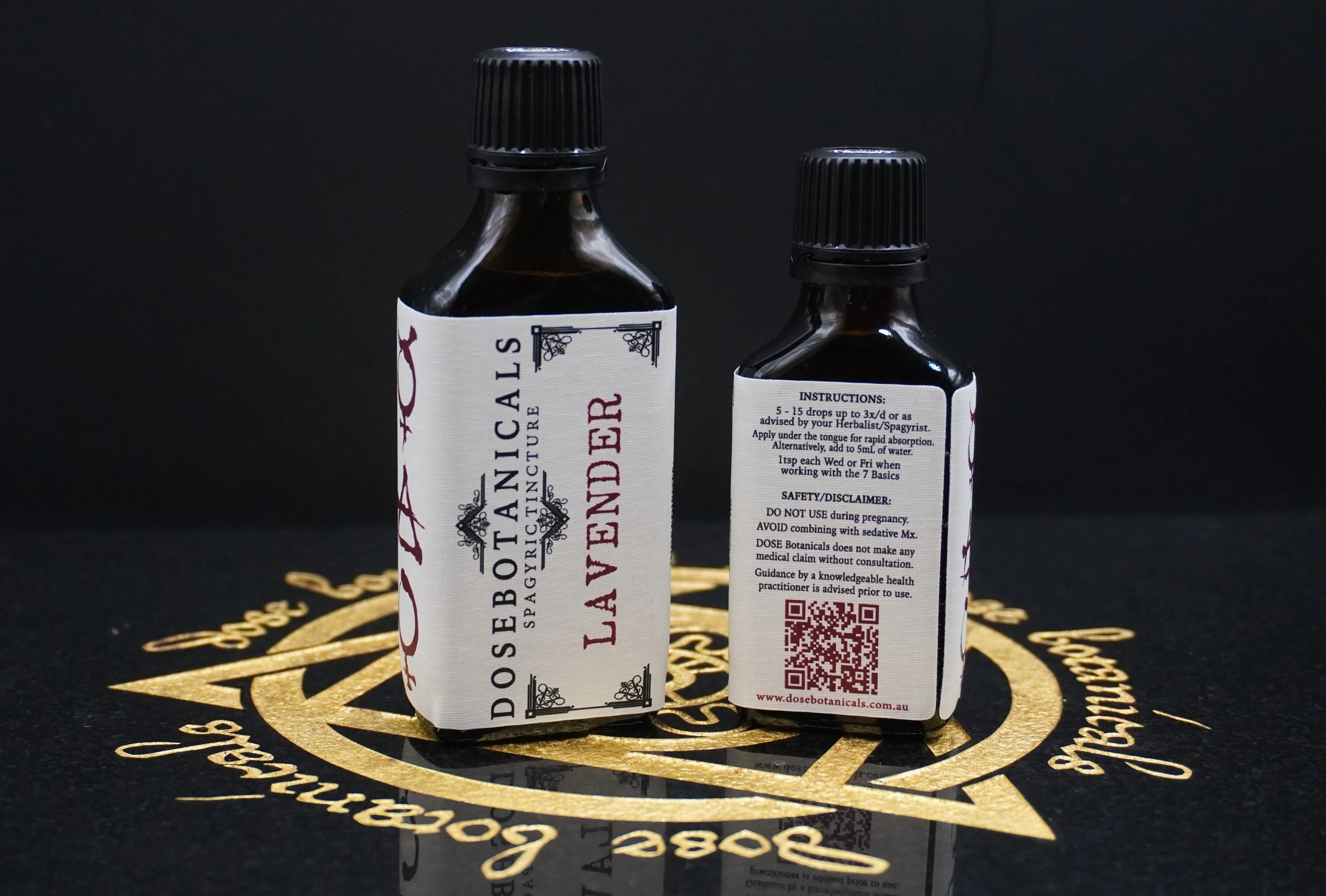
  • A spagyric tincture is a liquid plant preparation produced through a multi-stage alchemical process rather than a single extraction.

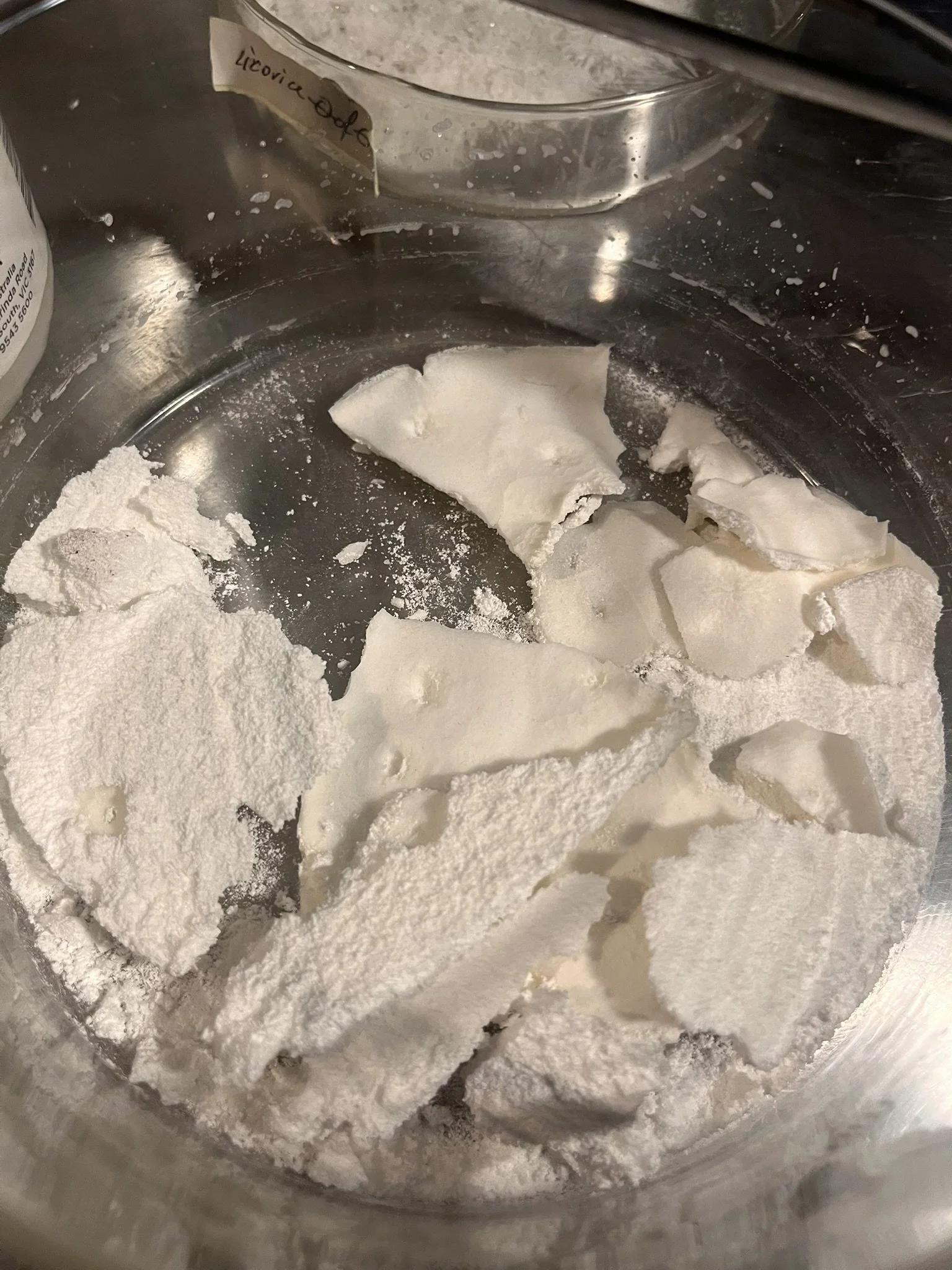
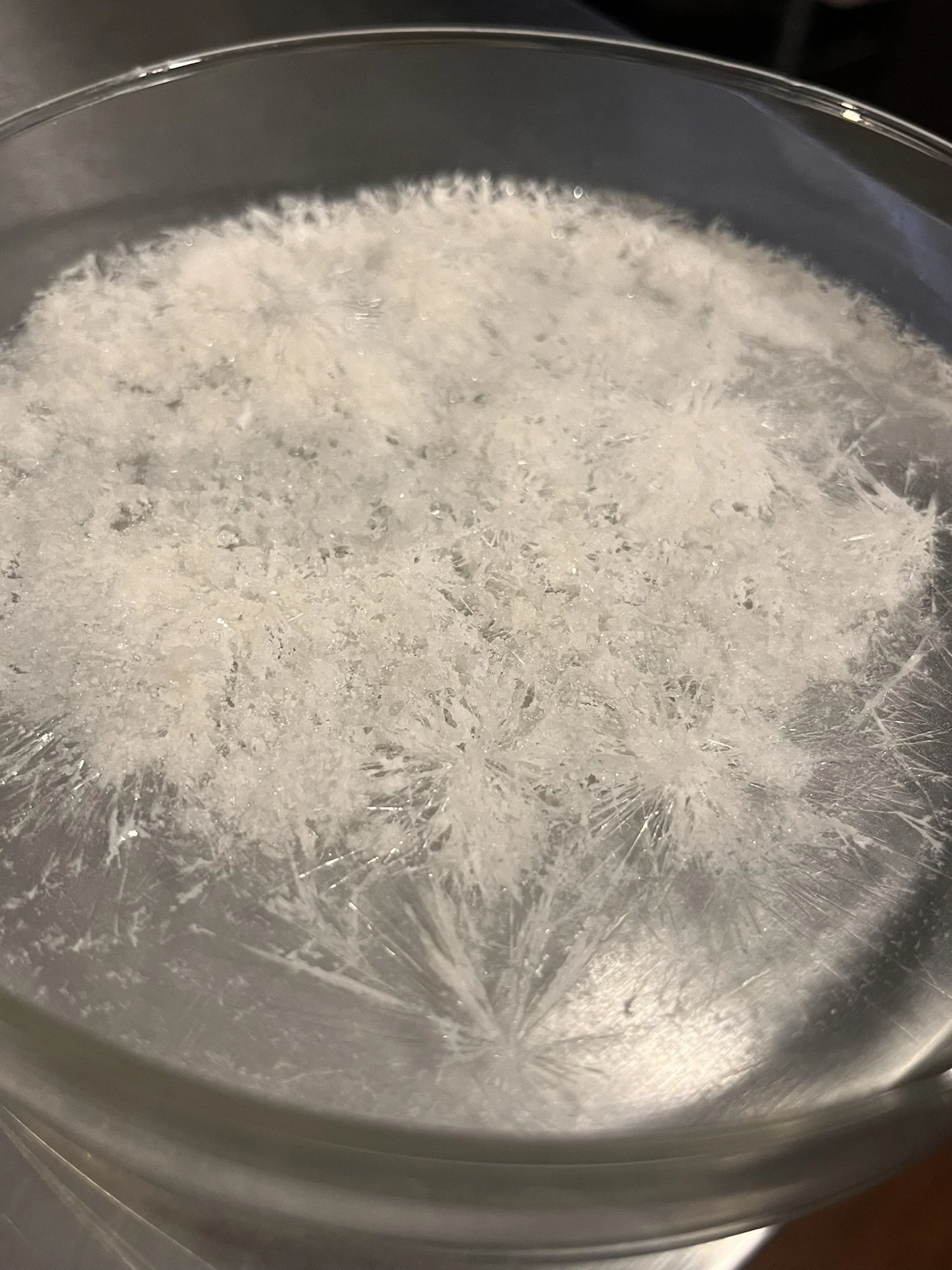
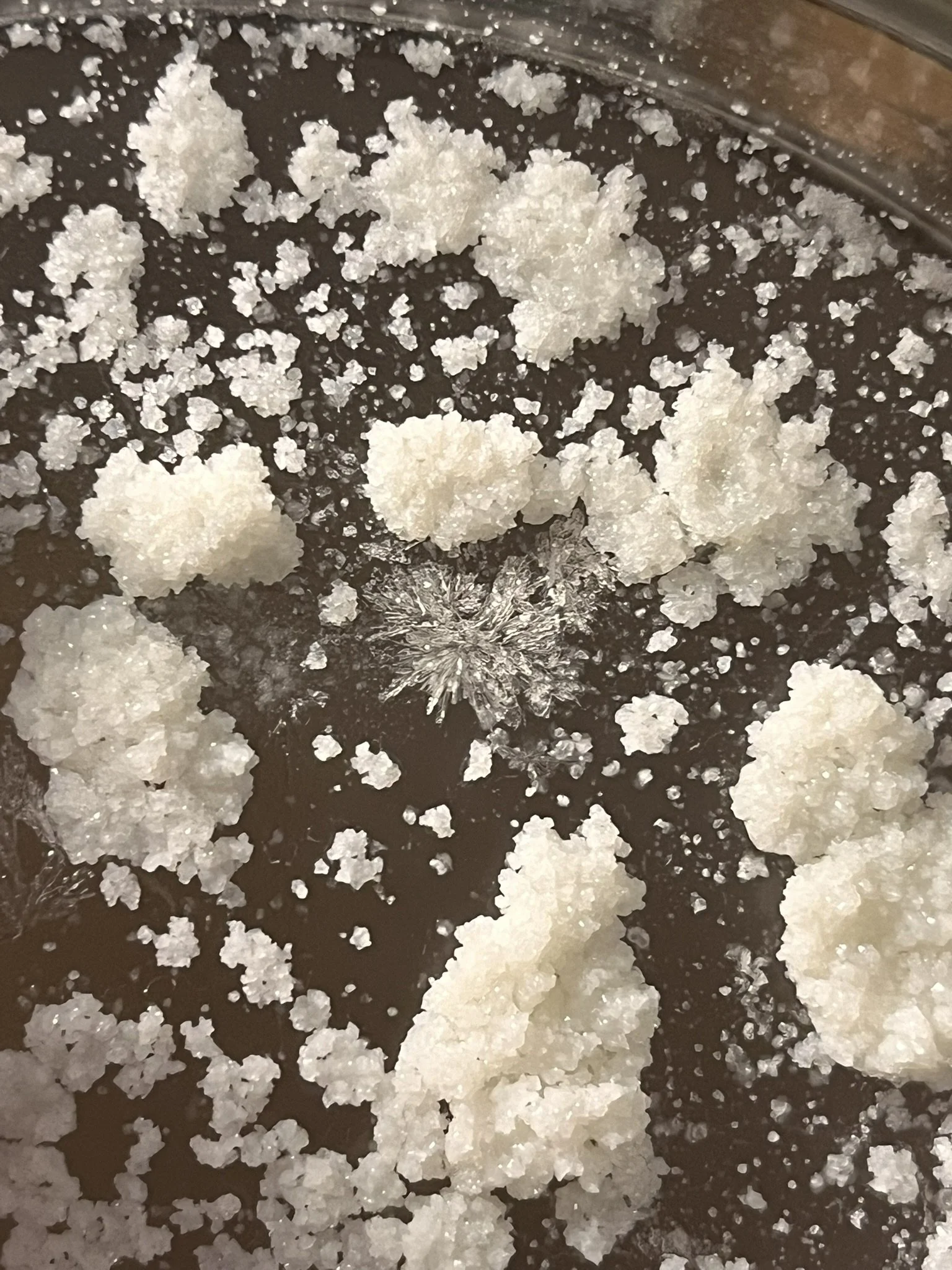
    In classical spagyric practice, the plant material is first extracted (usually via alcohol or hydro-alcoholic menstruum), after which the residual plant matter is calcined to ash. From this ash, the mineral salts of the plant are leached, purified, and recombined with the original extract. The tincture is then further matured, circulated, or cohobated depending on the tradition being followed.

  • Historically, the recombination of purified plant salts is what distinguished spagyric medicine from ordinary tinctures. Paracelsian texts describe these preparations as more perfected because they restore what ordinary extraction leaves behind.

    A standard herbal tincture is produced by macerating plant material in a solvent (most commonly ethanol or a water-ethanol blend) to extract soluble constituents. It is a single-stage extraction method and is well established within modern herbal practice.

    A spagyric tincture, by contrast, involves:

    • Separation of the plant into distinct principles

    • Purification of each principle according to its nature

    • Reunification of those principles into a finished preparation

    Where a standard tincture prioritises chemical solubility, a spagyric tincture prioritises philosophical completeness. The aim is not to isolate “active compounds,” but to restore the plant to a refined, intelligible whole.

    This distinction is emphasised repeatedly in Paracelsian medicine and later clarified by early modern physicians who viewed spagyrics as a corrective to crude extraction. Modern spagyric practitioners inherit this framework as a methodological lineage, not as a replacement for contemporary biomedical models.

  • A spagyric essence is a more subtle preparation than a tincture and should not be confused with a flower essence or homeopathic remedy, despite superficial similarities.

    In alchemical terms, an essence is designed to express the Mercurial and Sulphuric principles of a plant more prominently, with less emphasis on mineral Salt. These preparations often involve distillation, fermentation, and long maturation, sometimes incorporating aromatic waters, volatile fractions, or circulated alcohols.

    Historically, essences were associated with virtue rather than bulk substance — what early texts describe as the inner signature or operative spirit of the plant. They were used sparingly and contextually, often within ritual, contemplative, or transitional states rather than as everyday medicines.

  • Spagyric preparations are traditionally taken in small quantities, with attention to timing, intention, and individual constitution. Two commonly referenced dosing frameworks are outlined below:

    The Seven Basics Method

    Rooted in European spagyric teaching, this approach aligns dosing with rhythm and repetition rather than volume. Typically:

    • Taken once daily

    • Often diluted in water or taken before meals

    • Used over a defined cycle (commonly 7, 14, or 21 days)

    This method reflects alchemical numerology and was historically used to support process rather than immediate outcomes.

    Drop Dosing

    Drop dosing reflects a more modern adaptation and is often preferred for sensitive individuals. This typically involves:

    • 1–5 drops diluted in water

    • Taken once or twice daily

    • Adjusted gradually rather than escalated

    Drop dosing mirrors how spagyrics were historically respected — as concentrated preparations requiring discernment rather than force.

A note on laboratory and spiritual alchemy at DOSE Botanicals:

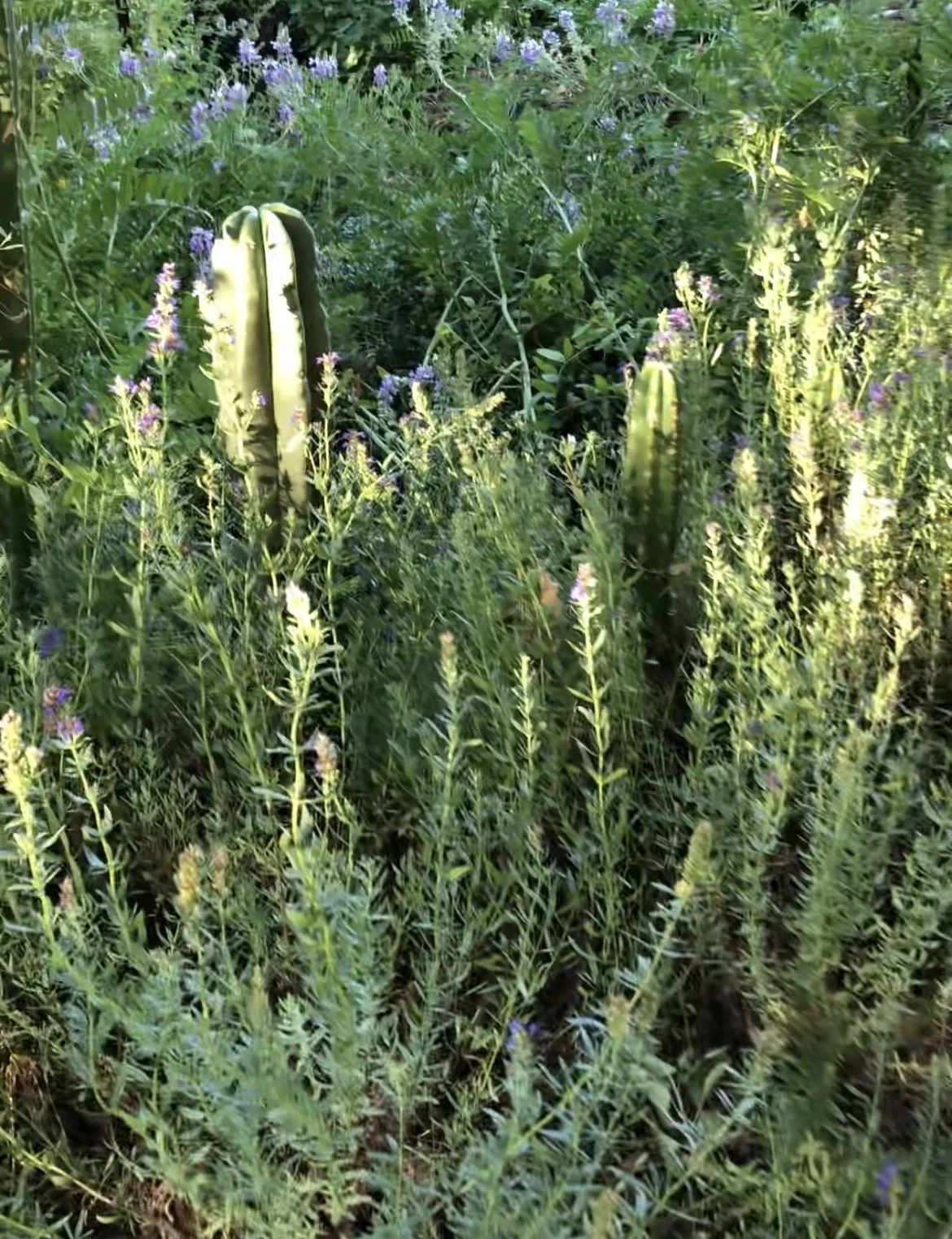
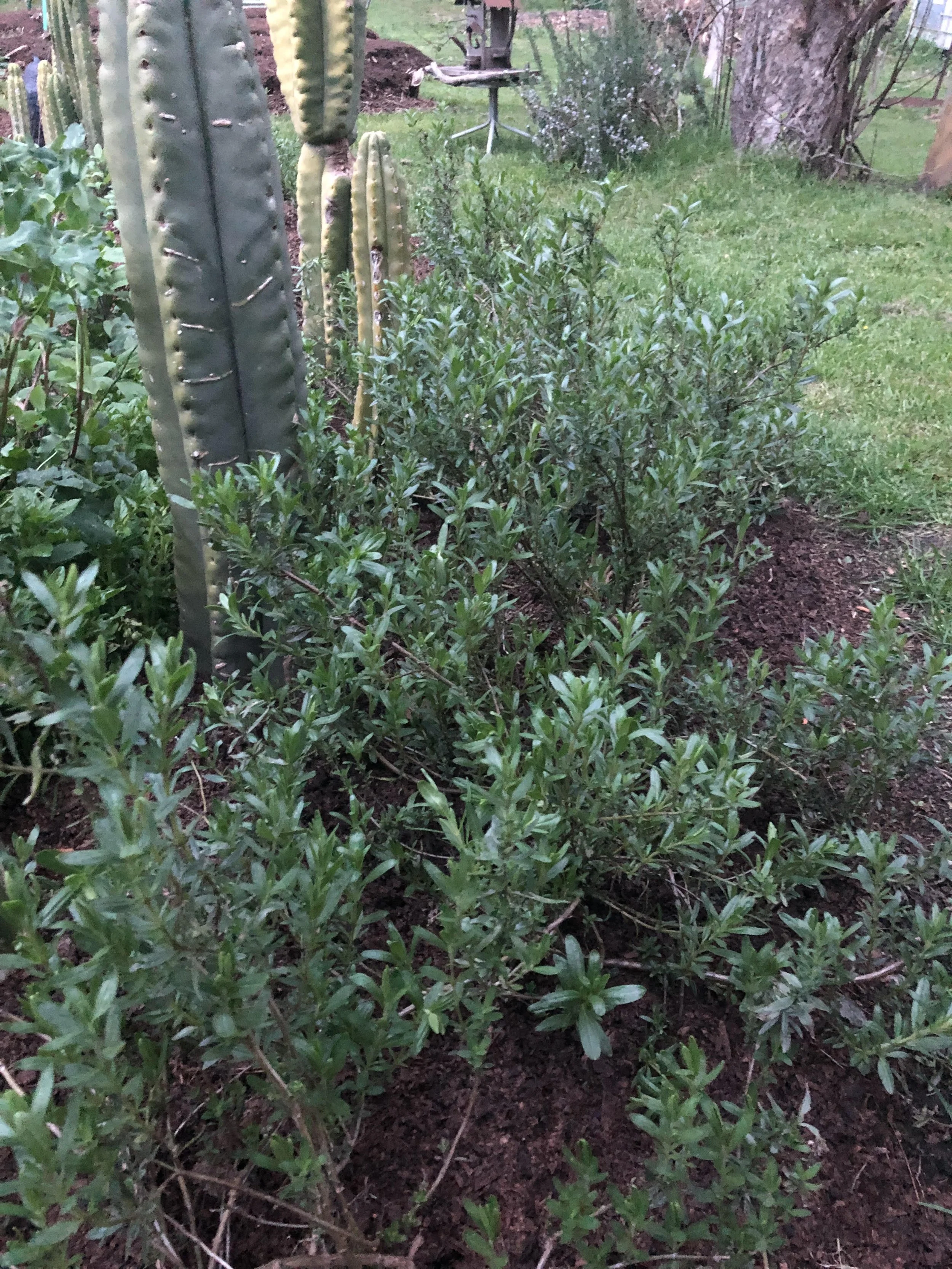
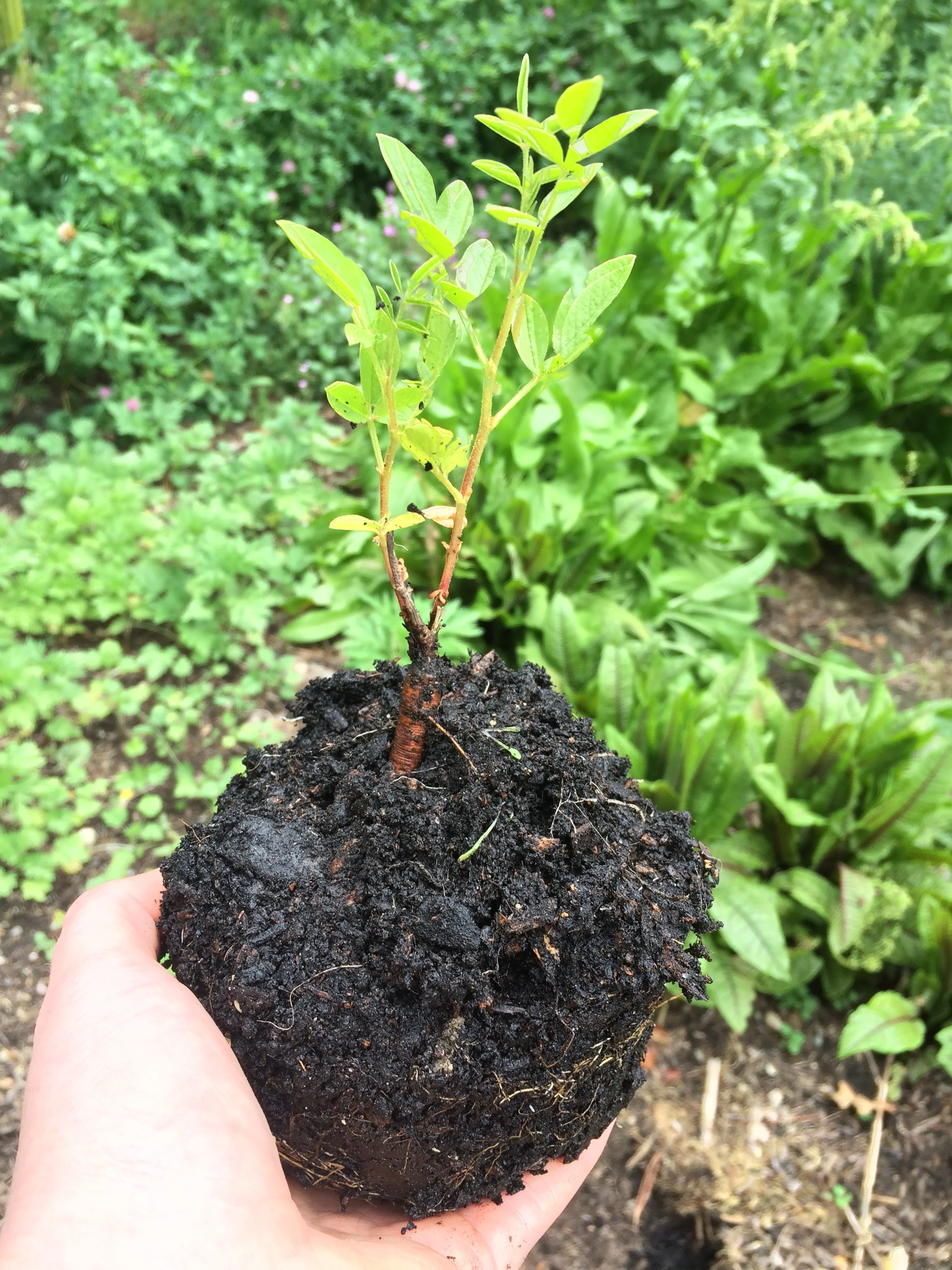
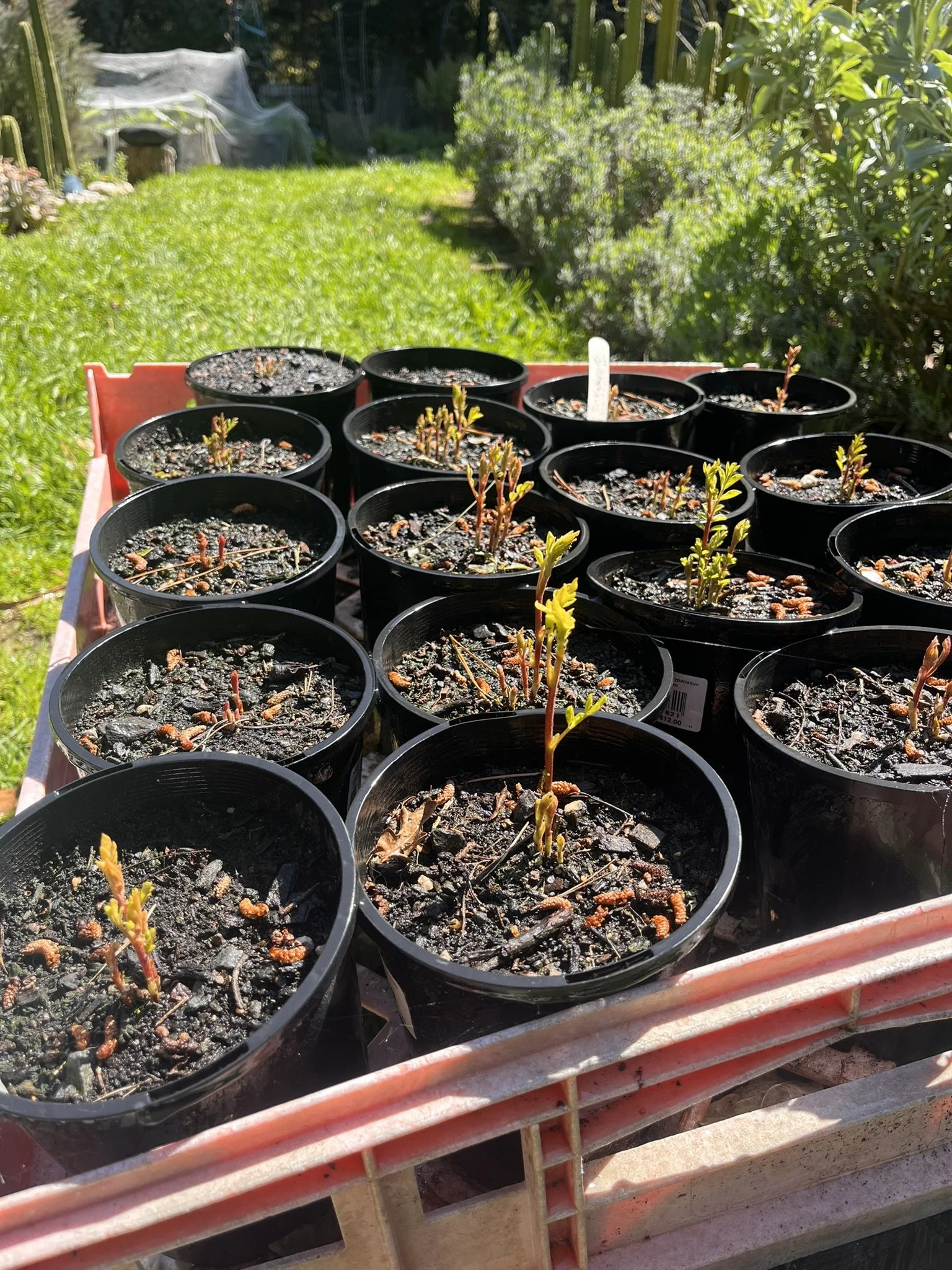
At DOSE Botanicals, laboratory practice and spiritual context are not treated as separate domains. Each spagyric is produced within a ceremonial, seasonally responsive framework, extending from planting and harvest through to extraction, calcination, and reunification.

DOSE Botanicals produces traditional spagyric preparations informed by the Paracelsian medical tradition, in which plant medicines were prepared through processes of separation, purification, and recombination. From late antiquity through the early modern period, spagyric methods formed an integral component of Western pharmaceutical practice, drawing on Greco-Egyptian, Arabic, and medieval Latin alchemical traditions and later articulated in medical form by physicians such as Paracelsus.

Within this context, spagyrics are offered as traditional botanical preparations made in accordance with historical principles and methods, and are not intended as substitutes for medical diagnosis or treatment.